


'%20x='0'%20y='0'%20height='100%25'%20width='100%25'%20%0A%20%20%20%20%20%20%20%20%20%20xlink%3Ahref='data:image/jpg;base64,/9j/2wBDAAYEBQYFBAYGBQYHBwYIChAKCgkJChQODwwQFxQYGBcUFhYaHSUfGhsjHBYWICwgIyYnKSopGR8tMC0oMCUoKSj/2wBDAQcHBwoIChMKChMoGhYaKCgoKCgoKCgoKCgoKCgoKCgoKCgoKCgoKCgoKCgoKCgoKCgoKCgoKCgoKCgoKCgoKCj/wAARCAAGAAoDASIAAhEBAxEB/8QAFgABAQEAAAAAAAAAAAAAAAAAAAYI/8QAIRAAAgEEAQUBAAAAAAAAAAAAAQIFAAMEEQYSISJBUcH/xAAVAQEBAAAAAAAAAAAAAAAAAAAEBf/EABwRAAICAgMAAAAAAAAAAAAAAAECAAMRQVGRwf/aAAwDAQACEQMRAD8AnMOPhZjn0rIW41Y/HtjEdce0Q6s2TY2pI8ddJPr7WkV5M6KFONb2vY6JP7SlSbQMBdd8RCMbLLC2j4J//9k='%3E%3C/image%3E%3C/svg%3E)

Anime is a worldwide phenomenon because of its unique storytelling. There are many ways anime can be told; however, some series are so full of complicated stories that they can confuse even their most loyal followers.
Each anime franchise creates its own world with a rich history, timelines, and relationships between all the characters, places, and events in order for the audience to understand its universe as a whole.
Anime With the Most Complex Lores
10. Symphogear

Symphogear looks like a simple mash-up of idol culture and giant robots, but there’s actually a complex world lurking behind all that flashy action. The main plot of the anime gives you just a taste of the detailed background surrounding the titular armor and its users.
To really get what this show is about, fans will need to dig into some more stuff like manga, video games, and official sites. There are a whole lot of keywords, and also a lot of background info that make it even more enjoyable.
9. Serial Experiments Lain

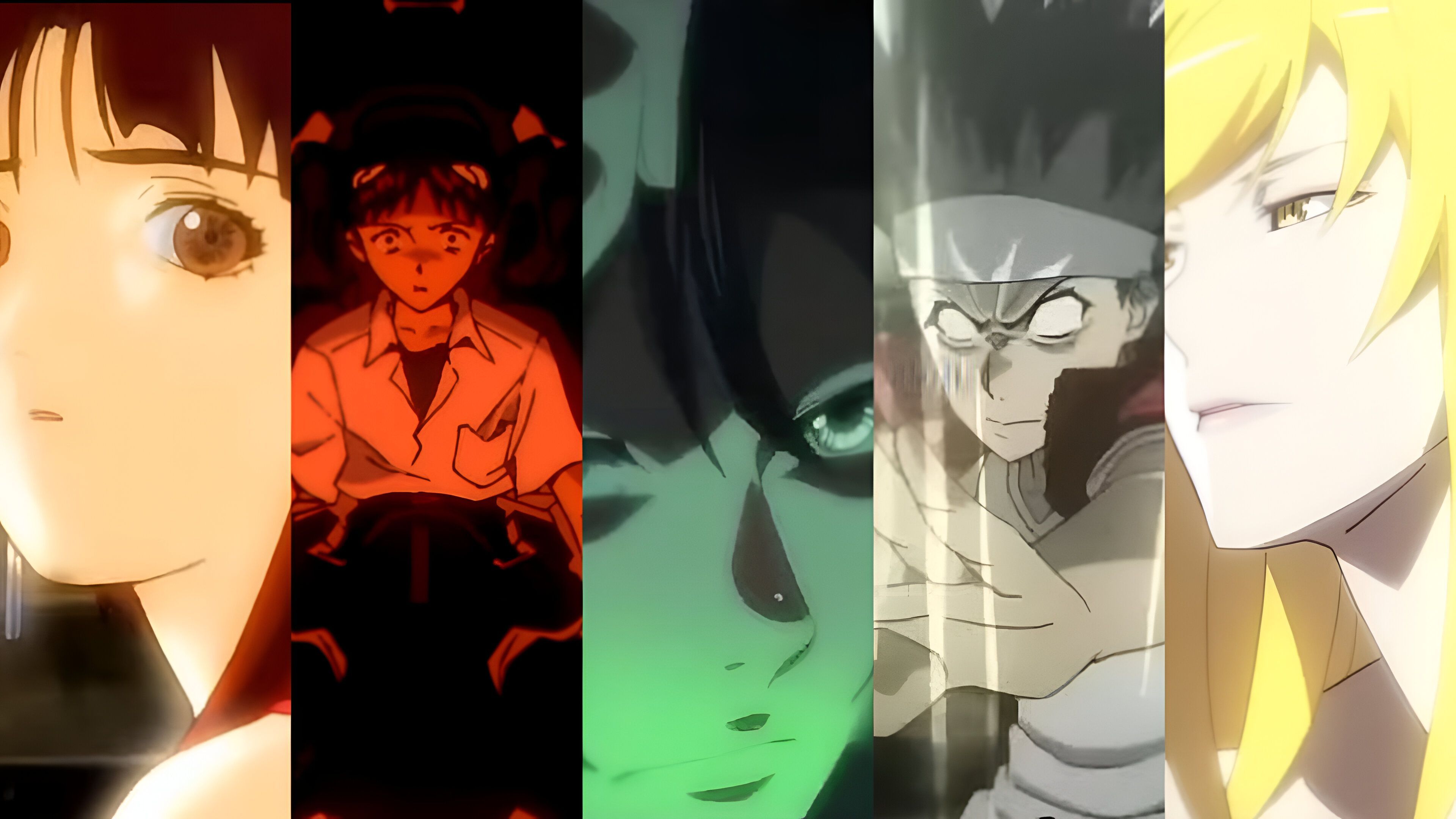
The anime from 1998 was ahead of its time by a decade with its study of consciousness and identity, as well as VR, etc. The way the series tells the story is surrealistic with a very complex narrative structure that places the viewers into an immersive, layered narrative relating to technology and human connectivity. This series feels extremely relevant in the modern digital world.
The cyberpunk world of Lain is used to tell a story through intentional disorientation of storytelling that cannot easily be understood or interpreted. The philosophical complexity of the series, it contains many concepts that were not commonly examined in mainstream sci-fi, thus making it difficult to follow for many viewers.
8. A Certain Magical Index/Railgun

A Certain Magical Index and A Certain Scientific Railgun make up the Raildex franchise, which is a huge world full of supernatural powers and abilities. With so many character timelines that have so much overlap, it can get very complicated when you're just starting.
Confusion abounds for those new to the ordering of the many spin-offs that take place concurrently and that have tied problems and themes together! For example, different viewing guides don't match, making it even more challenging for a new fan to sort through the franchise. Still, experienced fans have created very detailed information on how to figure out the timeline.
7. Monogatari Series

The Monogatari franchise gives viewers a long, detailed supernatural experience based on Nisio Isin’s light novels. No season numbers are used in the series; every arc has been assigned a name based on the oddity that Araragi Koyomi encounters. To keep up with the storyline, everything has been set up to be viewed using watching guides.
This anime world has vampires, ghosts, curses, and everything in between - but getting how all of these different supernatural entities interact is no small task. Every arc of the show takes a look at a different aspect of this strange universe, and as you get to know more about each arc, it becomes clearer how they are all related.
6. Neon Genesis Evangelion

Fans of the show have been picking apart and trying to better understand Evangelion's mysterious backstory since the show ended in 1995, when many people didn't understand a lot of what was going on. The show just gave you hints about the origins of the mechs and the Angels and stuff, and so everyone has been debating about it ever since.
The mythos has been complicated further with the addition of multiple spin-offs and also through the Rebuild movie series. These items open new questions regarding the previously existing myths without giving any definitive answers.
5. Grandmaster of Demonic Cultivation

Xianxia fantasy is the genre that Mo Dao Zu Shi is typically the first introduction to for many Westerners. It uses elements of Chinese mythology, as well as some concepts from Taoism and Buddhism. For those who have been watching for a while, the world-building is familiar; however, people new to the genre have a tough time getting a grasp of all the complexities, including the cultivation system and clan politics.
This anime isn't gonna explain basic concepts from xianxia, so people who watch it will need to know about the style of xianxia before watching. In addition to that, there are things that viewers will probably never really understand because there are so many terms; to figure out what everything is, viewers will need to use additional sources.
4. Tenchi Muyo!

The Tenchi Muyo series started off simply as a six-episode OVA about a harem. However, it exploded into the Tenchi Universe, which is now one of the most complex franchises in anime. With so many different multiverses, timelines, and alternate continuities, it has grown immensely since 1991.
There are tons of different ways to tell the story of Tenchi Muyo! from Tenchi Universe to Tenchi in Tokyo, along with tons of different ongoing manga series, films, and other spin-offs, that all have their own take on what happened. And since they are all sci-fi, they can all exist in one big ol' multiverse, with none being definitive when it comes to canon.
3. Mobile Suit Gundam

Gundam is the largest mech franchise in Japan and has been around since its first airing in 1979. The amount of content created for Gundam (including anime, games, books, models, etc.) leaves many new fans confused because the world of Gundam is so detailed that it can be difficult to get a sense of what all of Gundam is about in one sitting.
The franchise is divided into the main Universal Century timeline and standalone spin-offs. Even following just the UC storyline demands significant time investment, barely scratching the surface of available Gundam content.
2. Fate Series

The Fate franchise isn’t just one of many parts of the huge Nasuverse; it connects all of Kinoko Nasu’s creations (such as Tsukihime and Kara no Kyoukai), connecting all of her creations through one central universe. When you start adding how they interconnect through all these other anime series, it gets really complicated.
Each of these series has its own plot, yet still occurs in virtually the same universe. It can be difficult for even die-hard supporters to see the full scope of everything due to the content being spread out over numerous types of media (from books, films, and anime) beginning in 1998. The Fate series alone features numerous timelines and alternate versions.
1. One Piece

 Trending
With the amount of detail and the depth of the storyline, One Piece is definitely the most complicated anime in terms of lore. Unlike other series that have many different titles to create a complicated "universe", One Piece has a linear timeline. However, tracking everything within this massive world presents enormous challenges.
Every island in the world has its own distinct culture and history. The series consists of over 1,000 characters with unique backgrounds, allegiances, and desires, which contribute to the story's overarching narrative. As many of the story's plot threads are told through many decades, One Piece has established truly extensive worlds.




 Reply
Reply


