


'%20x='0'%20y='0'%20height='100%25'%20width='100%25'%20%0A%20%20%20%20%20%20%20%20%20%20xlink%3Ahref='data:image/jpg;base64,/9j/2wBDAAYEBQYFBAYGBQYHBwYIChAKCgkJChQODwwQFxQYGBcUFhYaHSUfGhsjHBYWICwgIyYnKSopGR8tMC0oMCUoKSj/2wBDAQcHBwoIChMKChMoGhYaKCgoKCgoKCgoKCgoKCgoKCgoKCgoKCgoKCgoKCgoKCgoKCgoKCgoKCgoKCgoKCgoKCj/wAARCAAGAAoDASIAAhEBAxEB/8QAFgABAQEAAAAAAAAAAAAAAAAAAAYI/8QAHxAAAgEEAgMAAAAAAAAAAAAAAQIDAAQREiFBBQZx/8QAFAEBAAAAAAAAAAAAAAAAAAAAAP/EABQRAQAAAAAAAAAAAAAAAAAAAAD/2gAMAwEAAhEDEQA/ANBey2sq28sttKxlWVNUdyFbZgCucHUY7APPVSTWXlmYsk1qqnkAtISB9yM0pQf/2Q=='%3E%3C/image%3E%3C/svg%3E)

Blue Lock Chapter 356 spoiler starts with a nasty punch thrown from England to Japan. "Seven-Colored Knight" chapter starts midway through the match, where Coach Fox uses his players as pawns in a chess game. The egoless winger, Teddy Knight, soon becomes the center of attention.
England scores first, and it is Teddy Knight who buries it in the back of the net. Isagi Yoichi finds himself bewildered by a player who has no ego at all but can break the field.
Disclaimer: This article contains major spoilers from Blue Lock Chapter 356. Reader's discretion is advised.
Fox's Hand Signals Control the Match
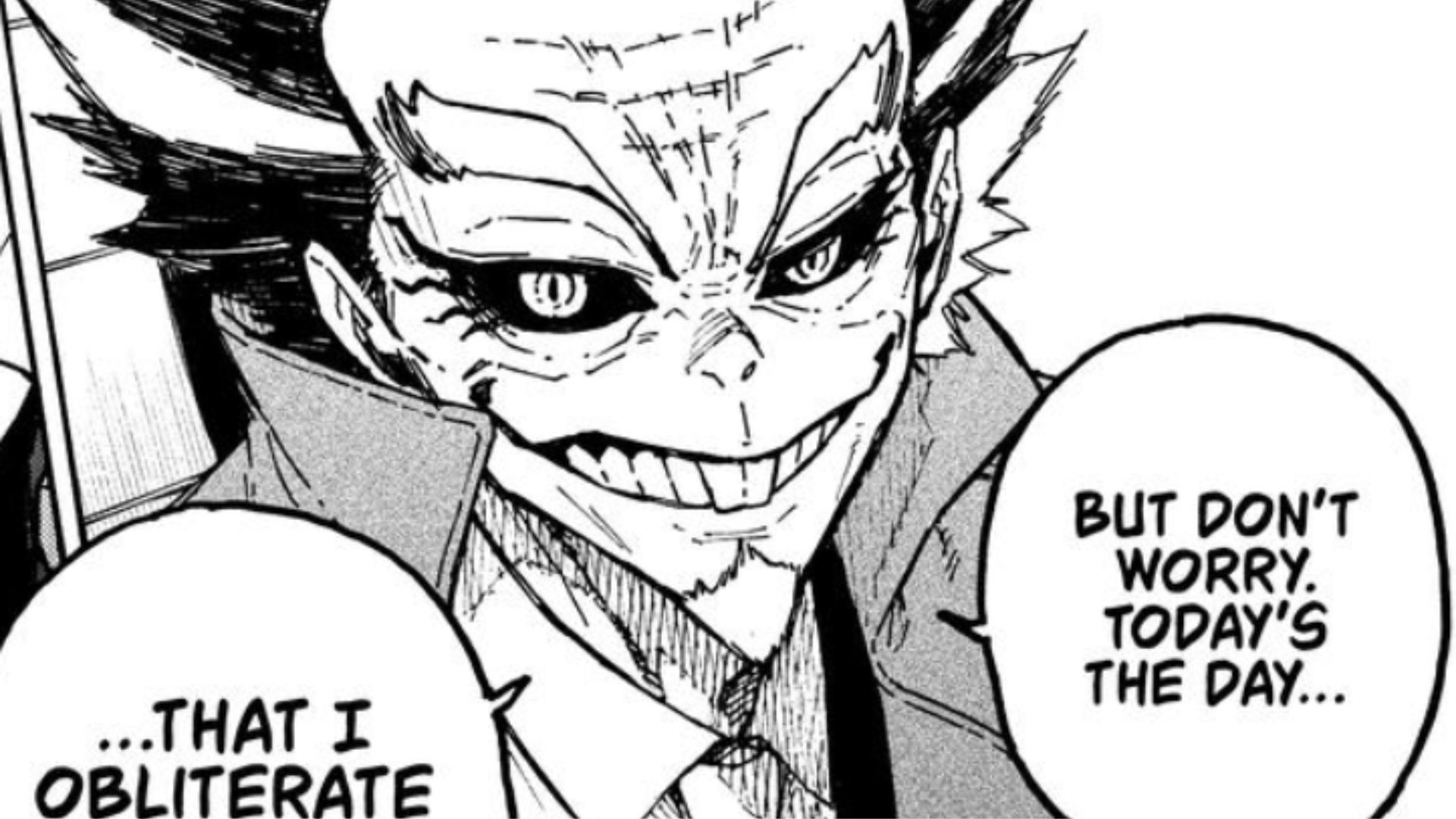
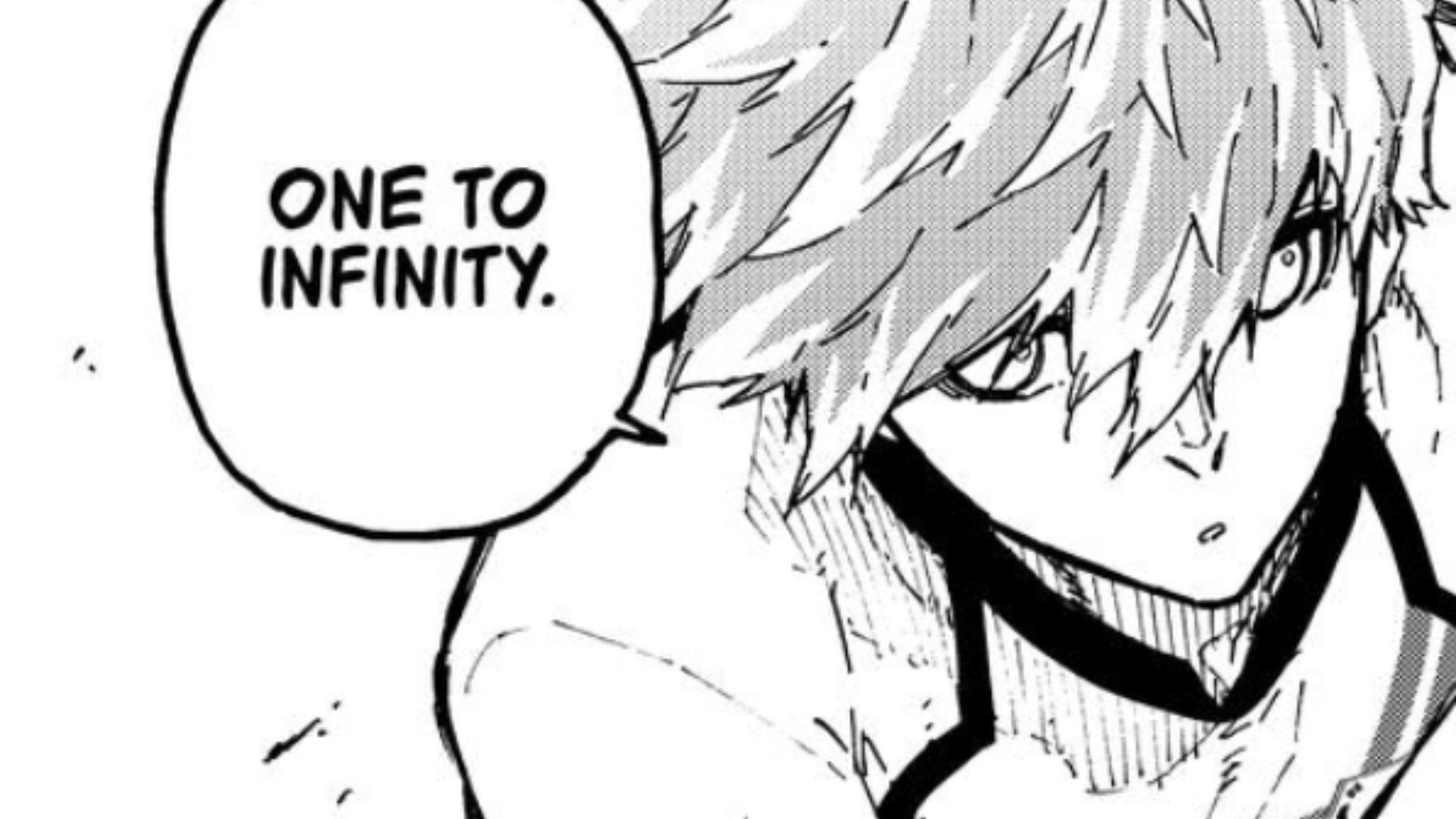
Blue Lock Chapter 356 begins with Teddy coldly announcing his intention to make one into infinity. Isagi, observing from the sidelines, is baffled by the statement. He quickly notices that Fox is making hand signals from the bench for the team to change from attack mode to defense mode at once.
This is the reason why England’s movements are so precisely executed. Each player is responding instantaneously to the commands of their coach. Isagi now feels that defeating a team where obedience takes precedence over ego will be difficult.
England's First Attack Tests Blue Lock's Defense
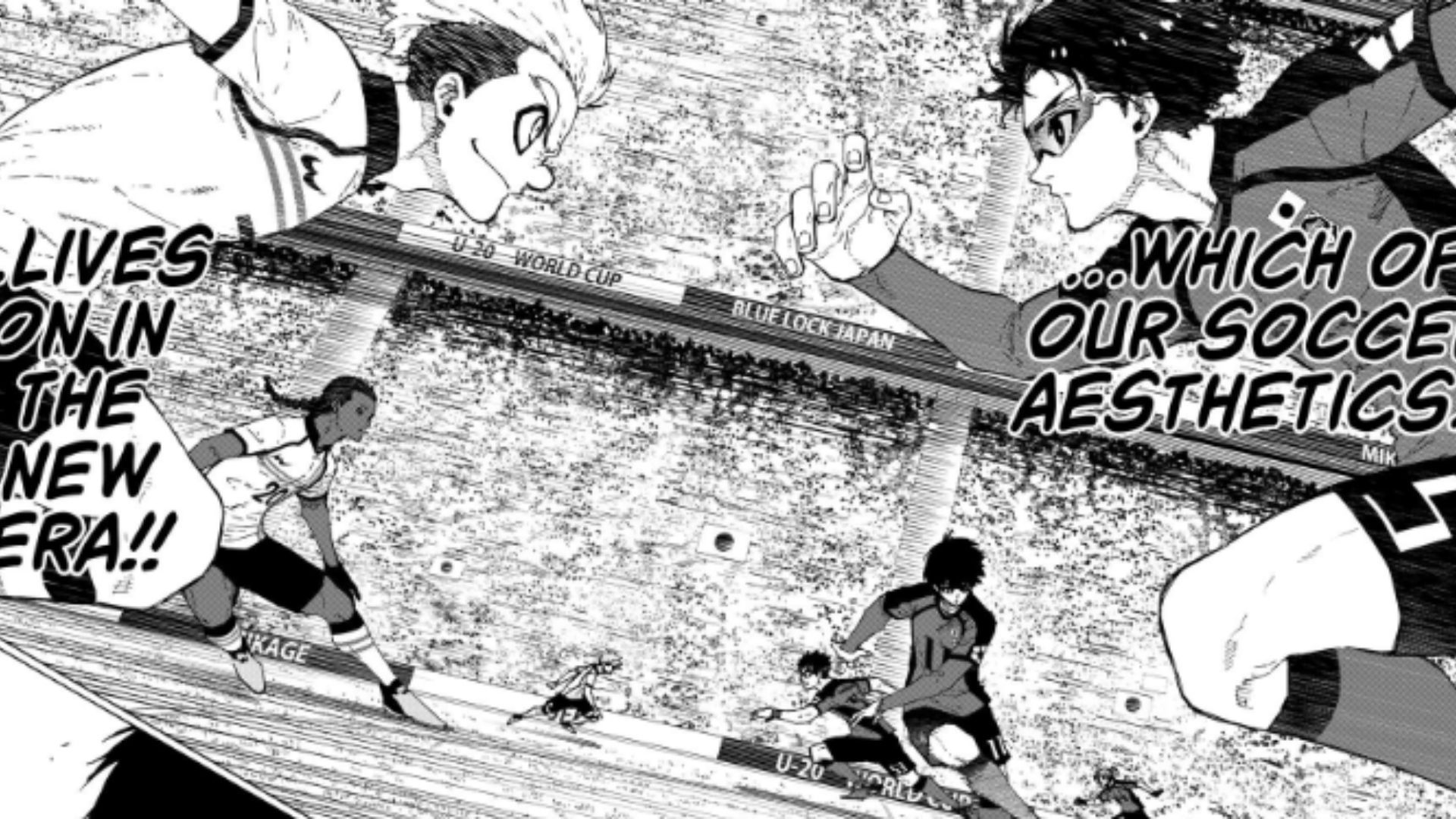
In this part of Blue Lock Chapter 356, the story begins with a nice passing play that involves Agi, Achampong, and Skeleton. While Yukimiya attempts to put pressure on the ball, England manages to pass him, making an appropriate cross. The ball ends up in the possession of Childs, who shoots at the goal.
According to Isagi, this attack was very straightforward, based on the after-the-ball play and the skills of Agi. The good defensive play by Aiku prevents the goal from happening. Karasu picks up the ball, and Isagi notices an important thing regarding the tactics of England – it is quite opposite to the egoistic approach of Blue Lock.
Isagi Reads the Pattern in Blue Lock Chapter 356
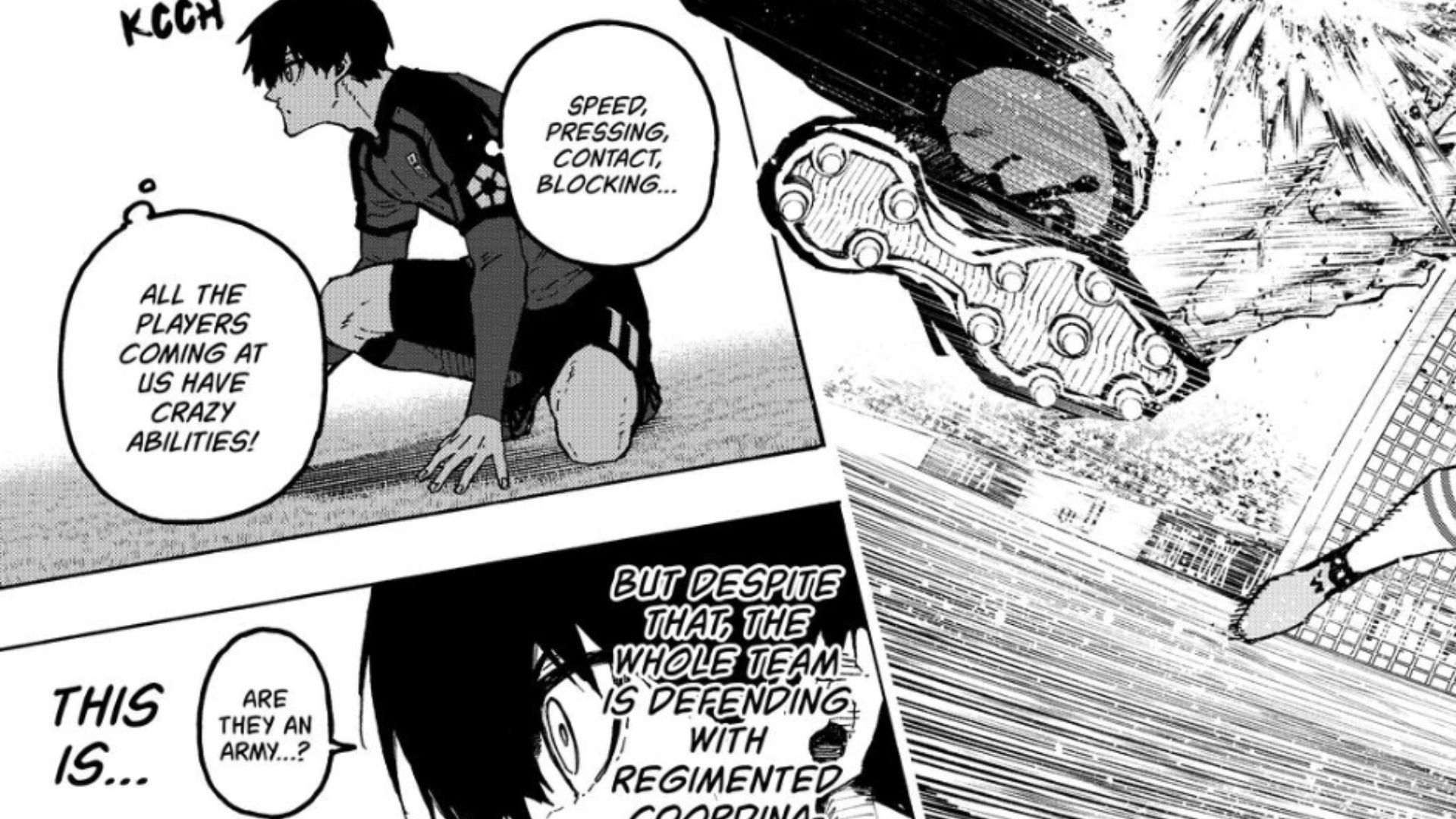
The ball is sent back to Agi, but Isagi senses an easy bait to which he reacts immediately by intercepting it and mocking the “armless ego army” for their constant repetitions. However, arrogance does not last long in this part of Blue Lock Chapter 356.
Teddy comes into the frame, taking possession of the ball through a sharp cut-in. He clarifies at once to Isagi that England’s attacks are never just one single repetition but a series of endless combinations. With this, Teddy takes center stage, drawing the entire English formation to him.
Teddy Knight's Unstoppable Run Ends in a Goal
Once Teddy gets going, Isagi gets left behind. His dribbling keeps on changing directions, and any defender who tries to get in his way will surely get torn apart. Teddy charges past the defense of Blue Lock, as expected of his nickname as the Seven-Colored Knight.
The only thing Isagi can do is watch as Teddy scores that goal. The ball flies past the goalkeeper and the fans go crazy. Even the commentators immediately declare him as part of the New Gen World 11 team. This is the plot twist of Blue Lock Chapter 356 because England is leading against Japan.
Isagi's Reaction and What Comes Next
 Trending
Teddy raises his hands and gives a cold and mechanical gesture near his eye post-goal. Isagi can't believe his eyes when he sees this player not following any rules that Isagi knew of the sport. According to the narration, Teddy can be called an "unknown new species," which suits a player that doesn't have an ego but beats all opponents mercilessly.
This chapter ends with a tease for the next one titled "Double Wing." This Blue Lock Chapter 356 creates a huge contrast between the ego-centric approach to this sport by Japanese players and the obedience system of England.




 Reply
Reply


