


'%20x='0'%20y='0'%20height='100%25'%20width='100%25'%20%0A%20%20%20%20%20%20%20%20%20%20xlink%3Ahref='data:image/jpg;base64,/9j/2wBDAAYEBQYFBAYGBQYHBwYIChAKCgkJChQODwwQFxQYGBcUFhYaHSUfGhsjHBYWICwgIyYnKSopGR8tMC0oMCUoKSj/2wBDAQcHBwoIChMKChMoGhYaKCgoKCgoKCgoKCgoKCgoKCgoKCgoKCgoKCgoKCgoKCgoKCgoKCgoKCgoKCgoKCgoKCj/wAARCAAGAAoDASIAAhEBAxEB/8QAFgABAQEAAAAAAAAAAAAAAAAAAAQG/8QAIBAAAgAFBQEAAAAAAAAAAAAAAQIAAwQFIQYREkFhE//EABQBAQAAAAAAAAAAAAAAAAAAAAD/xAAUEQEAAAAAAAAAAAAAAAAAAAAA/9oADAMBAAIRAxEAPwCe/XN5mpK+ZUbt8Z1RTOq7BZrsAqkgdANkeYjAprtadFksbmTLHA8KoquMYHQ8hCA//9k='%3E%3C/image%3E%3C/svg%3E)

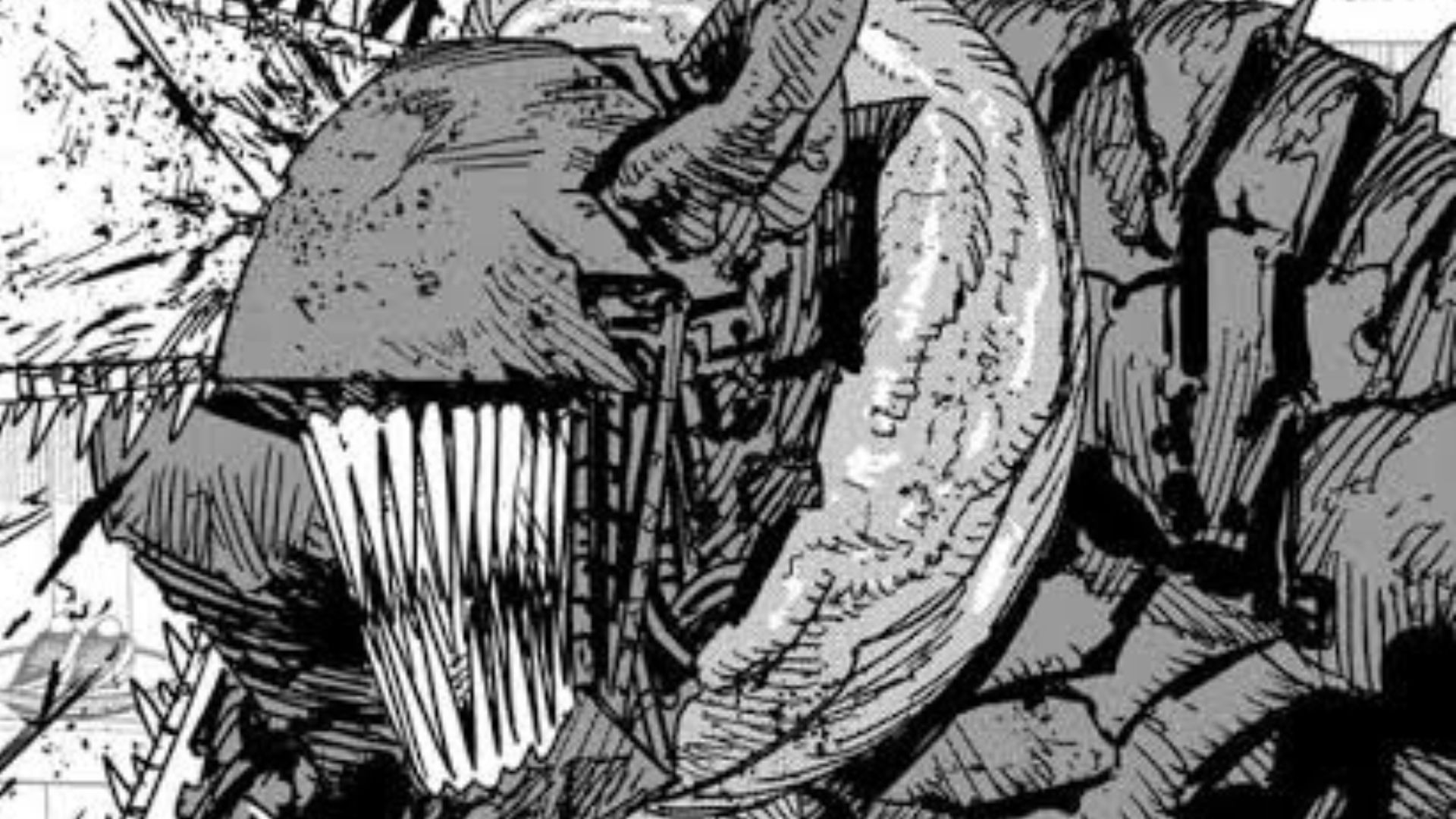
Chainsaw Man Part 2 is the beginning of a chosen tonal and structural contrast to the chaotic spectacle that dominated the first half. Having the setting predominantly in the Academy Saga, Chainsaw Man Part 2 places Denji in a strange social environment where social anxiety, moral uncertainty, and social acceptance weigh equally to crude violence. As the manga proceeds to intensify the themes of fear, control, and identity, the role of Chainsaw Man, as played by Denji, is no longer characterized by its constant devil-slaying. Rather, every kill has a heavier narrative to bear as it typically indicates his mental condition, or the fluctuating nature of power relationships in the world.
Although there are a few open fights, Chainsaw Man Part 2 still has several confirmed kills of devils by Denji. These are encounters that vary between near-comedy fodder battles and challenges with top-tier devils that are bound to abstract, existential anxieties. In contrast to part 1, where the adversaries were distinctly portrayed as evil to be destroyed, part 2 presents a gray area between the devil, the fiends, the hybrids, and the human agents who are being played with. Therefore, the wins of Denji become more symbolic and difficult. In order of power, the ten best devils that Denji has undoubtedly killed in Chainsaw Man Part 2 are discussed below based on their demonstrated power, impact on narrative, and level of threat.
Chainsaw Man Part 2: Every Devil Denji Has Killed, Ranked
10. Tomato Devil (Part 2 Reappearance)

The Tomato Devil is the weakest known confirmed kill by Denji in Part 2 of Chainsaw Man. Although the Tomato Devil is more widely recognized with the first episodes of the series, its sudden re-emergence highlights the fact that some devils have become less important in the existing hierarchy of power. The Tomato Devil, therefore, can be represented as a mild and almost ridiculous fear, without any substantial opposition. Denji sends it away with ease as an added point to the notion that there are certain devils that are purely reminders of how far Chainsaw Man has gone.
9. Marshmallow Devil

The Marshmallow Devil embodies a trivial, consumer-based fear and lacks both combat intelligence and durability. This devil is easily defeated by chainsaws of Denji with little effort in Chainsaw Man Part 2. The reason for its failure is functional narrative, as opposed to dramatic, and demonstrates that the reflexes of Denji as Chainsaw Man are still, despite the hilarious insignificance of the danger, deadly. Compared to the existential terrors introduced later, this kill barely registers.
8. Bat Devil/Cockroach Devil

The Bat Devil and Cockroach Devil encounter highlights Denji’s efficiency against returning mid-tier threats in Chainsaw Man Part 2. Both devils possess destructive potential capable of mass civilian casualties, particularly the Cockroach Devil’s durability and reach. However, neither demonstrates growth beyond their earlier incarnations, allowing Chainsaw Man to eliminate them decisively. Their defeat serves as a reminder that notoriety does not equate to dominance in the evolving devil hierarchy.
7. Leech Devil (Fiend Variant)

A lesser form of the Leech Devil is seen in Part 2, but he is more of an irritation than a threat. Although it can draw blood and momentarily slow down Denji, it is not tough enough to withstand a long battle. It is soon overwhelmed by Denji and his regenerative powers and his violent way of fighting. Devils that are attached to physical parasites in Chainsaw Man tend to use the element of surprise, and when they lose this advantage, they are bound to suffer defeat.
6. Guillotine Devil

The Guillotine Devil is a less chaotic and more fatal fear, execution, and state punishment. This devil in Chainsaw Man Part 2 has one such ability of offensive capability, which falls within the middle range, and it involves attacks by slicing and decapitation. Nonetheless, it was dependent on simple mechanics, which render it predictable against the unstoppable attacks of Denji. While stronger than fodder devils, the Guillotine Devil ultimately lacks the adaptability needed to survive a direct encounter with Chainsaw Man.
5. Gun Fiend (Minor Variant)

Although not the original Gun Devil, this lesser Gun Fiend carries the symbolic weight of one of Chainsaw Man’s most infamous fears into Chainsaw Man Part 2. Firearms represent mass violence and sudden death, granting this fiend considerable destructive power. Nevertheless, Denji’s experience with ranged threats allows him to close the distance quickly. The kill is decisive, showing that even echoes of former top-tier devils can no longer dominate Chainsaw Man in combat.
4. Falling Devil Fragment

The Falling Devil is one of the most conceptually terrifying entities in Chainsaw Man Part 2. While Denji does not destroy the true Primal Fear in its entirety, he does defeat a manifested fragment or avatar. This version manipulates gravity and psychological despair, pushing Denji to his limits. The win is very difficult and contingent, and this kill is very firmly positioned at the top level because of the magnitude of its skills.
3. Yuko (Justice Devil Form)

Yuko’s transformation under the influence of the Justice Devil represents one of the most tragic confrontations in Chainsaw Man Part 2. While her power surge grants enhanced strength and a distorted perception of “justice,” it remains unstable and self-destructive. The kill by Denji is not about defeating a stronger opponent but rather the killing of an uncontrollable situation. This scene in Chainsaw Man supports the way alliances with devils usually increase ideology and not power.
2. Ear Devil

The Ear Devil is a particularly invasive fear that is associated with surveillance and a lack of privacy. This devil in Chainsaw Man Part 2 is intelligent, stealthy, and able to manipulate his senses. It is much more dangerous than its physical counterpart, as it can avoid detection and collect information. The final win of Denji needs tact and not brute force, and this is one of the more tactical kills in his repertoire.
1. Aging Devil

The Aging Devil is the strongest confirmed devil that Denji has slain in Chainsaw Man Part 2. This figure is closely connected with Primal Fears, and it symbolizes the horror of time, death, and old age of mankind. The powers of the Aging Devil are much greater than the ones of traditional devils, as it pervades reality and takes away the energy. Denji only lives by playing on his hybrid status and his inexhaustible regeneration. This assassination is also one of the greatest accomplishments in the contemporary history of Chainsaw Man.
 Trending
The confirmed kills made by Denji in Chainsaw Man Part 2 are fewer in number and much more meaningful compared to earlier arcs. Every meeting is an indication of how fear has developed and evolved to be less about physical dangers and more about abstract and psychological ones. With these ten devils, it is apparent that the most important battles of the Chainsaw Man are no longer a matter of survival, but a matter of identity, control, and relevance in the world that admires him and fears him at the same time. As the series of Chainsaw Man progresses, the future victims of Denji may have even more thematic importance, and this is why the character will continue to be central to the series in its long-term success.


 Reply
Reply


