


'%20x='0'%20y='0'%20height='100%25'%20width='100%25'%20%0A%20%20%20%20%20%20%20%20%20%20xlink%3Ahref='data:image/jpg;base64,/9j/2wBDAAYEBQYFBAYGBQYHBwYIChAKCgkJChQODwwQFxQYGBcUFhYaHSUfGhsjHBYWICwgIyYnKSopGR8tMC0oMCUoKSj/2wBDAQcHBwoIChMKChMoGhYaKCgoKCgoKCgoKCgoKCgoKCgoKCgoKCgoKCgoKCgoKCgoKCgoKCgoKCgoKCgoKCgoKCj/wAARCAAGAAoDASIAAhEBAxEB/8QAFgABAQEAAAAAAAAAAAAAAAAAAAUH/8QAIhAAAQMDAwUAAAAAAAAAAAAAAgEDBAAGEhExQQUUISJx/8QAFQEBAQAAAAAAAAAAAAAAAAAAAgP/xAAYEQEAAwEAAAAAAAAAAAAAAAABAAIDIf/aAAwDAQACEQMRAD8AiW5YpyTk9NnOxyhS1GQYgK55YjsWmqeD2rOZVkuNyng7hv1NR54X5SlTzBsx3eE//9k='%3E%3C/image%3E%3C/svg%3E)

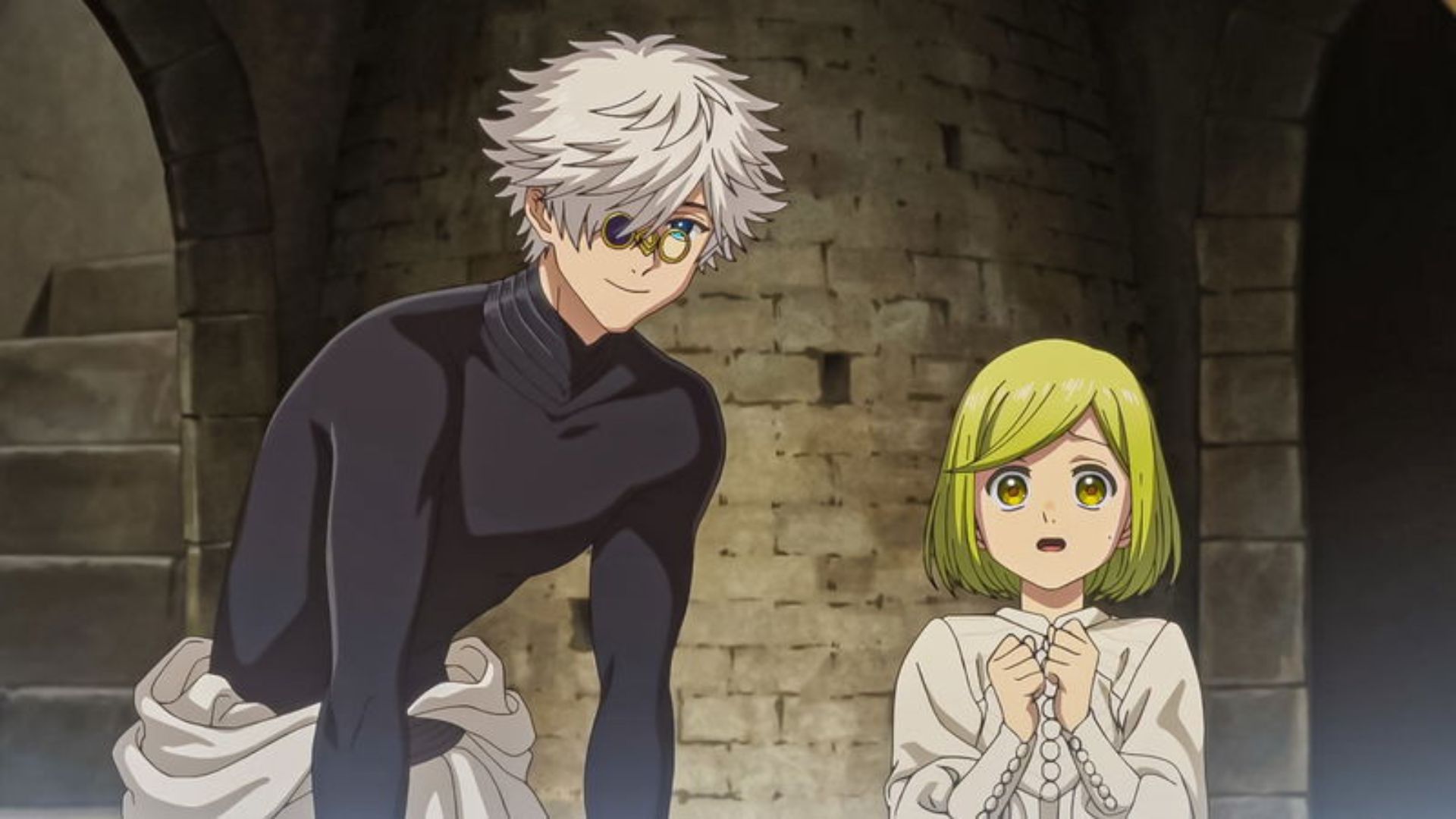
With its intricate world-building, painterly illustrations, and heartfelt narratives, Witch Hat Atelier has swiftly emerged as one of the most popular fantasy anime of the Spring 2026 season. The story of the anime is the story of Coco, a young girl who is fascinated by magic but has no particular aptitude for it, and who discovers that magic spells can be made by drawing symbols. Trapped in a deadly trap set by some forbidden magic, she finds herself the apprentice of the witch Qifrey and learns the secret of the magical world. Since the anime's introduction, Witch Hat Atelier has been chithed for its faithfulness in capturing the complexity of its fantasy world and its emotional heart of the story.
Witch Hat Atelier is actually based on a current seinen series by Kamome Shirahama. It is serialized in the Morning Two magazine of Kodansha, with its original title Tongari Bōshi no Atelier, since 22nd July 2016. Witch Hat Atelier has published over 13 collected tankōbon to date, and is one of Kodansha's most critically acclaimed fantasy series as of 2026. The current anime adaptation follows Shirahama's original pacing and magic systems, as well as follows pretty closely the early story of the manga.

The anime's reputation was one of the largest reasons to get Witch Hat Atelier's name out there before the show aired. Throughout its publication history, the series received several award nominations and ended up in the rankings of Manga Taisho and even winning awards at the Eisner Awards. The series has always been well-received by critics for its mix of easy-to-understand fantasy narratives and technically sound visual representations. Witch Hat Atelier didn't follow the trend of many fantasy stories that were clearly about conflict escalation, it was definitely more about mystery, craftsmanship and the moral consequences of magic.
The magical system also became a part of the story of the manga. In Witch Hat Atelier, magic is not just about incantations or passing down powers, but about using sigils and geometric patterns. This idea can be used to portray magic as an art and a dangerous piece of tech. The anime version captured that complexity, carefully animating the process of drawing spells to provide the full range of complexity as opposed to just standard fantasy effects.
The other major component of Witch Hat Atelier is its classification by demographics. The series features fantasy elements that are also whimsical and looks more suited for a seinen manga, but it is officially a shonen series. In some ways this separation is apparent in its sophisticated ideas of social inequities, taboo knowledge, the physical effects of witchery, and the internal moral darkness of the witch community. The themes are retained in the animation, but these elements are also incorporated with a mix of wonder and emotional warmth focused on Coco's development.
Witch Hat Atelier Manga Source and Anime Adaptation Explained
Witch Hat Atelier's anime version is primarily based on the content of the first few arcs of the manga, including the ones in Volumes 1-3. The chapters introduce a magical world that is kept hidden from the general public, introduce more apprentice witches, and introduce Coco's apprenticeship with Qifrey. The adaptation also features the Brimmed Caps, a group of enigmatic folks linked to forbidden magic techniques. The anime takes the time to follow the story of the manga line by line, ensuring no big plot reveals are rushed, and maintaining the story's careful pacing that made it a hit.
Kamome Shirahama's artistic background is extremely useful when it comes to visuals for Witch Hat Atelier. Prior to the release of the series, Shirahama had worked as a cover illustrator and artist with some of the major comic publishers, including projects related to Marvel and DC Comics. Her detailed linework and medieval-inspired architecture and watercolor-inspired composition gained her fame in her manga artwork. While the anime version does not seek to replicate this entirely with the use of classic digital fantasy imagery, it does use soft lighting, background textures, and fluid magical animation scenes.

At the moment, there are not that many differences between the anime and the manga of Witch Hat Atelier. The main changes in adaptation are paced adjustments and addition of animation sequences to improve emotional scenes and animation for spells. Additionally, the music and voice acting enhance the atmosphere as Coco embarks on his emotional journey and the mysterious nature of the magical world. But for spin-off titles like Witch Hat Atelier Kitchen, the series will stay in the confines of the manga format and have not yet been adapted for an anime series.
Witch Hat Atelier's future looks bright too, as there's a lot of material left in the manga just not covered in the anime's storyline. As long as the original eponymous series continues, there is no lack of material for future anime seasons to adapt for big storylines of magic politics, forbidden experimentation, and uncovering more of Qifrey's past. The positive feedback for the adaptation of the original has also boosted the international demand for the original manga, especially among fantasy fans who were looking for more world-building and character-driven stories.
 Trending
Therefore, Witch Hat Atelier is not just based on a manga, but also strongly influenced by its key characteristics. Kamome Shirahama's ongoing seinen manga laid the groundwork of the anime's elaborate magic system, the heart-felt story and stylish fantasy world. The adaptation has been extremely faithful to the manga's overall structure, but has been bolstered by animation, music, and color design to help create a sense of atmosphere. Witch Hat Atelier has already released over 13 volumes of manga and more story arcs are planned to be released in the future, so there is a lot of content left to develop into anime beyond the current season.




 Reply
Reply


