


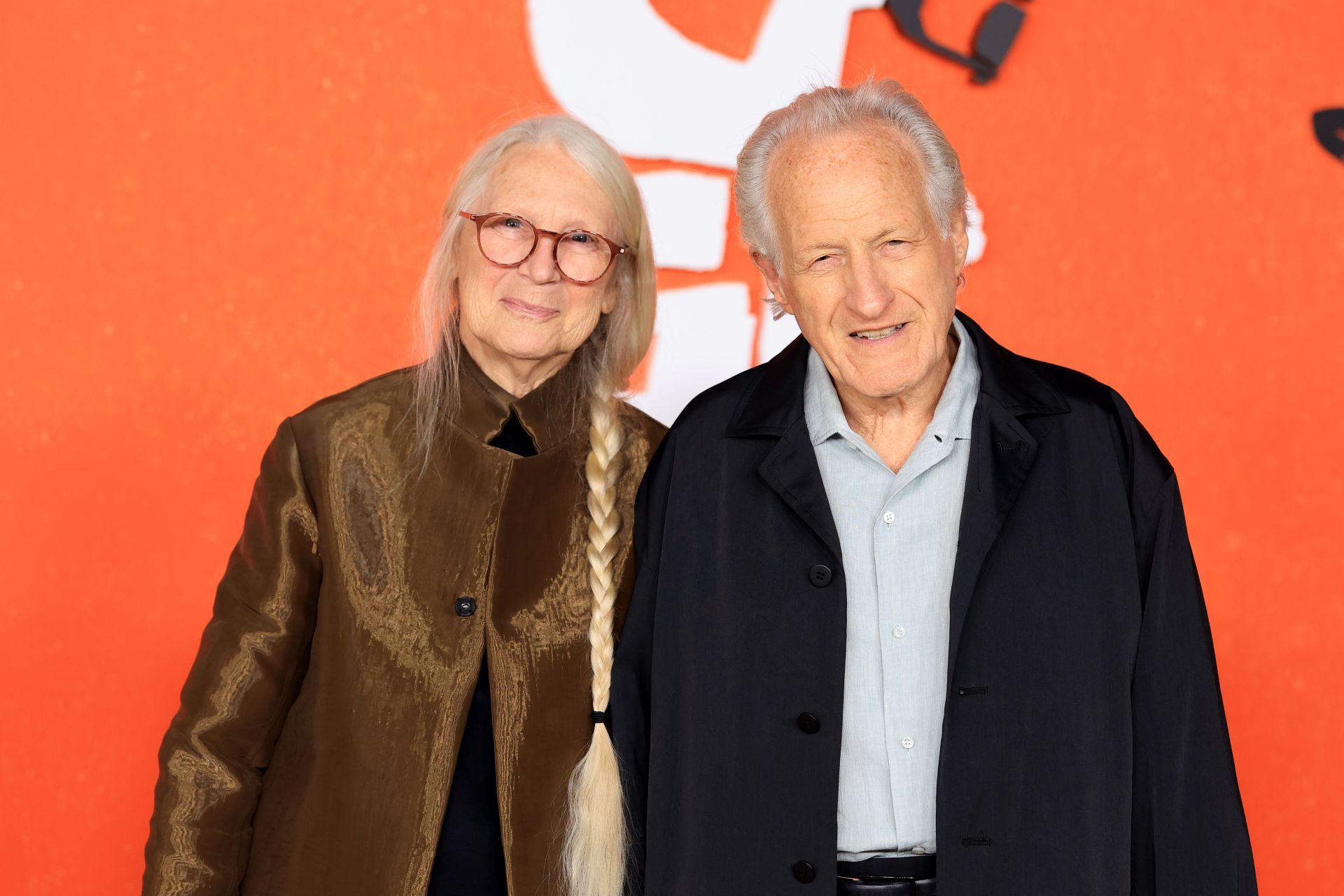


Michael Mann has made headlines recently, and not for his next film. The eighty-three-year-old director, famous for helming Heat, Collateral, Miami Vice and Thief, accidentally shot himself in the leg at a Los Angeles gun range on Saturday, Oct. 31. As per a report shared by People, the incident took place around four p.m. local time.
Mann’s representative confirmed the shooting was accidental. His spokesperson told People,
“On Saturday, at a gun range, a weapon accidentally discharged while holstered, resulting in a superficial injury to film director Michael Mann. He was treated and is being released.”
Michael Mann's personal life includes two marriages. While the specific identity of his first wife has been kept out of public records, their marriage concluded with a divorce in 1971 following his period working in London. Three years later, in 1974, he married his second wife, an artist and painter named Summer Mann, with whom he has remained for over five decades.
Michael Mann reflects on growing up in Chicago and the father who shaped his worldview:

As per a report shared by The New York Times Magazine in 2022, Mann was born in 1943 into a secular Jewish family in Chicago. He was particular about that detail, emphasising that he grew up “in the city” and noting wryly that “directors from the Chicago suburbs make comedies.”
His father, Jack, was a Russian immigrant from Ovruch and a combat veteran of World War II. Mann described him as “an absolutely loving man,” but one who carried the weight of what he had seen overseas. Jack never spoke much about his time in the war, though Mann made clear the silence didn’t mean it had no effect.
“He didn’t talk about it much, but it affected everything,” Mann recalled.

Jack returned from Germany with what Mann described as “a very dark view.” During the war, Jack had read in Stars & Stripes about American planes bombing a German refinery to disrupt supply lines during the Battle of the Bulge. Weeks later, passing the same site, the destruction around it was total except for the refinery itself. Mann quoted his father’s conclusion directly,
“Shell wants to take control of it.”
It was an experience that left Jack with, in Mann’s words, “a cynicism about systems.”
“I totally inherited that cynicism,” Mann added.
Back in Chicago, Jack ran a small supermarket for several years before a larger chain opened nearby and forced him out. Mann recalled that he and his younger brother responded in the only way two angry kids knew how.
“My younger brother and I, as amateur arsonists, one night tried to burn it down. We were angry. I think we succeeded in blackening the back door.”
Jack died in 1969 from a pulmonary embolism, at just fifty-six years old. Michael Mann did not mince words about what that loss did to his family.
“It shattered my family,” he recalled.
 Trending
His mother, Esther, rebuilt as best she could. She started her own business and moved into new relationships, but Michael Mann described her approach to that second chapter with a quiet sadness, sharing that she operated from the belief that “the meaningful life I’ve lived is over. I’m not going to just drift into widowhood; I’m going to make a life for myself, but it’s all superficial.”

Love movies? Try our Box Office Game and Movie Grid Game to test your film knowledge and have some fun!



 Reply


