


'%20x='0'%20y='0'%20height='100%25'%20width='100%25'%20%0A%20%20%20%20%20%20%20%20%20%20xlink%3Ahref='data:image/jpg;base64,/9j/2wBDAAYEBQYFBAYGBQYHBwYIChAKCgkJChQODwwQFxQYGBcUFhYaHSUfGhsjHBYWICwgIyYnKSopGR8tMC0oMCUoKSj/2wBDAQcHBwoIChMKChMoGhYaKCgoKCgoKCgoKCgoKCgoKCgoKCgoKCgoKCgoKCgoKCgoKCgoKCgoKCgoKCgoKCgoKCj/wAARCAAHAAoDASIAAhEBAxEB/8QAFgABAQEAAAAAAAAAAAAAAAAAAAIF/8QAIhAAAAYCAAcAAAAAAAAAAAAAAQIDBAURAAcSISIxQYGx/8QAFQEBAQAAAAAAAAAAAAAAAAAAAAL/xAAWEQEBAQAAAAAAAAAAAAAAAAABAAL/2gAMAwEAAhEDEQA/AKbbMl5GnzeETVKpdAV8cgDz9fM3y7ikEigmpGE4ydJqcDVh38Yxla0kC//Z'%3E%3C/image%3E%3C/svg%3E)

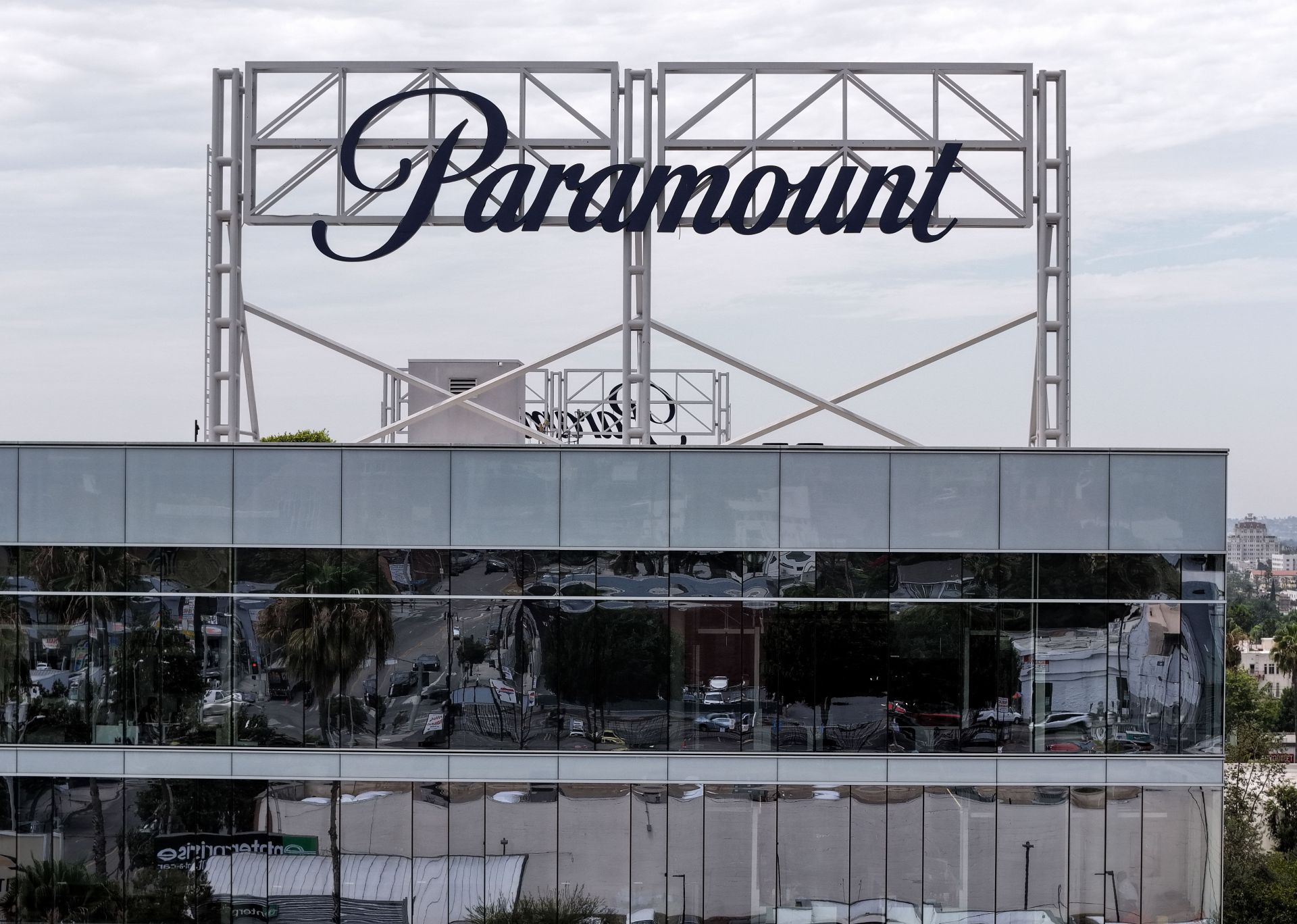
The Paramount and Warner Bros. Discovery merger just crossed its last obstacle today after Paramount closed the antitrust lawsuit it was facing from a dozen state attorneys general and the Writers Guild of America. Paramount and Warner Bros. Discovery can now take the first step towards finalizing the merger.
Led by California Attorney General Rob Bonta, 12 state attorneys general and the WGA had sued Paramount with an antitrust lawsuit to prevent the $111 billion merger from happening. Now that the lawsuit has been settled, Hollywood is about to witness one of the most significant shifts in its history.
Next steps in the Paramount and Warner Bros. Discovery merger after lawsuit settlement
It is to be noted that while the Paramount and Warner Bros. Discovery merger is no longer challenged by the attorneys general and WGA, the deal is yet to be legally finalized. As Variety reports, Paramount's CEO, David Ellison, in an address to his staff revealed that he expects the deal to be closed in approximately 2 weeks. His exact words were:
“... close in approximately two weeks. That said, closing is really just the starting line. Bringing two companies this size together takes time, and we’ll share information as it becomes available.”
When the process of the merger initially started, Paramount had added a clause in the contract that it would pay Warner Bros.' shareholders $7 million per day if the merger isn't finalized by September 30, 2026. If the merger isn't finalized by then, Paramount will then have to pay the financial penalty for each day of delay.
Besides that, as a part of the settlement, Paramount has reportedly agreed to several concessions. As Deadline reports, to make the Paramount and Warner Bros. Discovery merger happen, Paramount has agreed to release 30 films theatrically per year. In the first two years, at least 20 must be wide releases; in years 3–5, the commitment will rise to 32 films, including 21 wide releases.
As the New York Attorney General revealed in a statement, if Paramount fails to maintain this, it has to pay $30 million in penalty for each film it fails to release and has to sell its stake in Miramax. The company will also need to invest $1.5 billion in Hollywood film production over five years. Moreover, Paramount has agreed to not include Warner Bros.' basic cable negotiations with its own for 5 years.
The Paramount Warner Bros. Discovery merger has now given Paramount not only two film studios, television studios, and streaming platforms, but also two news organizations under the same corporate structure. Paramount already owns CBS, and Warner Bros. Discovery owns CNN. According to reports, independent editorial boards will be set up for both news organizations, thus keeping them separate.
The lawsuit has just been settled, and thus there are still more steps to be taken before the Paramount and Warner Bros. Discovery merger is officially completed. Once it is, one company will have 2 major film studios, television studios, streaming platforms, and news organizations.
Industry professionals feared that this would lead to consolidation of media power. It is too early to say whether that fear will turn into a reality, but so far, Paramount has agreed to a lot of concessions. Only the future will tell how separate Paramount and Warner Bros. Discovery will remain to make sure art, creativity, and journalistic freedom are sustained in Hollywood.
 Trending
For more articles like this, follow Soapcentral.

Love movies? Try our Box Office Game and Movie Grid Game to test your film knowledge and have some fun!



 Reply
Reply


