


'%20x='0'%20y='0'%20height='100%25'%20width='100%25'%20%0A%20%20%20%20%20%20%20%20%20%20xlink%3Ahref='data:image/jpg;base64,/9j/2wBDAAYEBQYFBAYGBQYHBwYIChAKCgkJChQODwwQFxQYGBcUFhYaHSUfGhsjHBYWICwgIyYnKSopGR8tMC0oMCUoKSj/2wBDAQcHBwoIChMKChMoGhYaKCgoKCgoKCgoKCgoKCgoKCgoKCgoKCgoKCgoKCgoKCgoKCgoKCgoKCgoKCgoKCgoKCj/wAARCAAGAAoDASIAAhEBAxEB/8QAFgABAQEAAAAAAAAAAAAAAAAAAAUH/8QAHxAAAQMEAwEAAAAAAAAAAAAAAgEDBAAFEjERISJx/8QAFQEBAQAAAAAAAAAAAAAAAAAAAwX/xAAbEQACAQUAAAAAAAAAAAAAAAAAAQIDIUFRwf/aAAwDAQACEQMRAD8AzyLJim9FiuxcxdEsFyRPXCb618qa9bLaLzg8P9EqaGlKCnkkTsota6z/2Q=='%3E%3C/image%3E%3C/svg%3E)

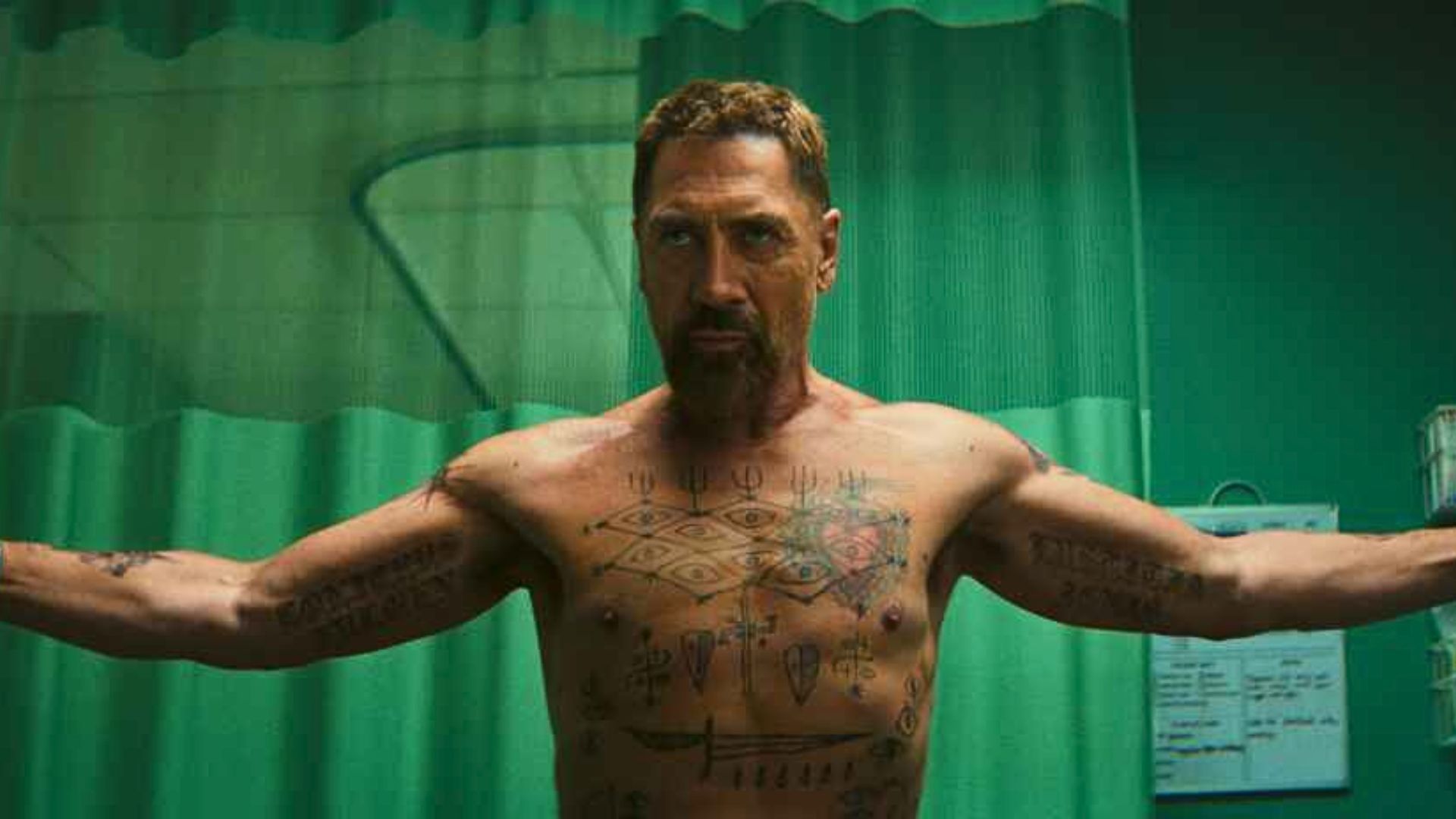
Javier Bardem's Cape Fear premiered today on Apple TV+ with the first two episodes and the remaining will be released every week on Fridays. The series was originally adapted from John D. MacDonald's 1957 novel and two previous films by J.Lee Thompson and Martin Scorsese.
The story revolves around Max Cady, who was recently released from prison to take revenge on Tom and Anna Bowden. He targets a lawyer couple who proved him guilty in court 17 years ago and uses his knowledge of the law to keep himself safe from punishment while seeking revenge. Javier Bardem is playing Max Cady along with Amy Adams as Anna and Patrick Wilson as Tom. Joe Anders and Lily Collias portray the son and daughter of the Bowden family.
The appealing aspect of the show is that it expands the classic revenge story into a psychological horror narrative. The plot reimagines the original material of the two previous films by adding modern technology, changing the villain's crimes, shifting the primary victim, and introducing complex new moral elements.
Continue reading to explore what this new TV show did differently from the two adapted movies.
5 things the Cape Fear did differently from the previous two movies
1. Anna Bowden becomes the target
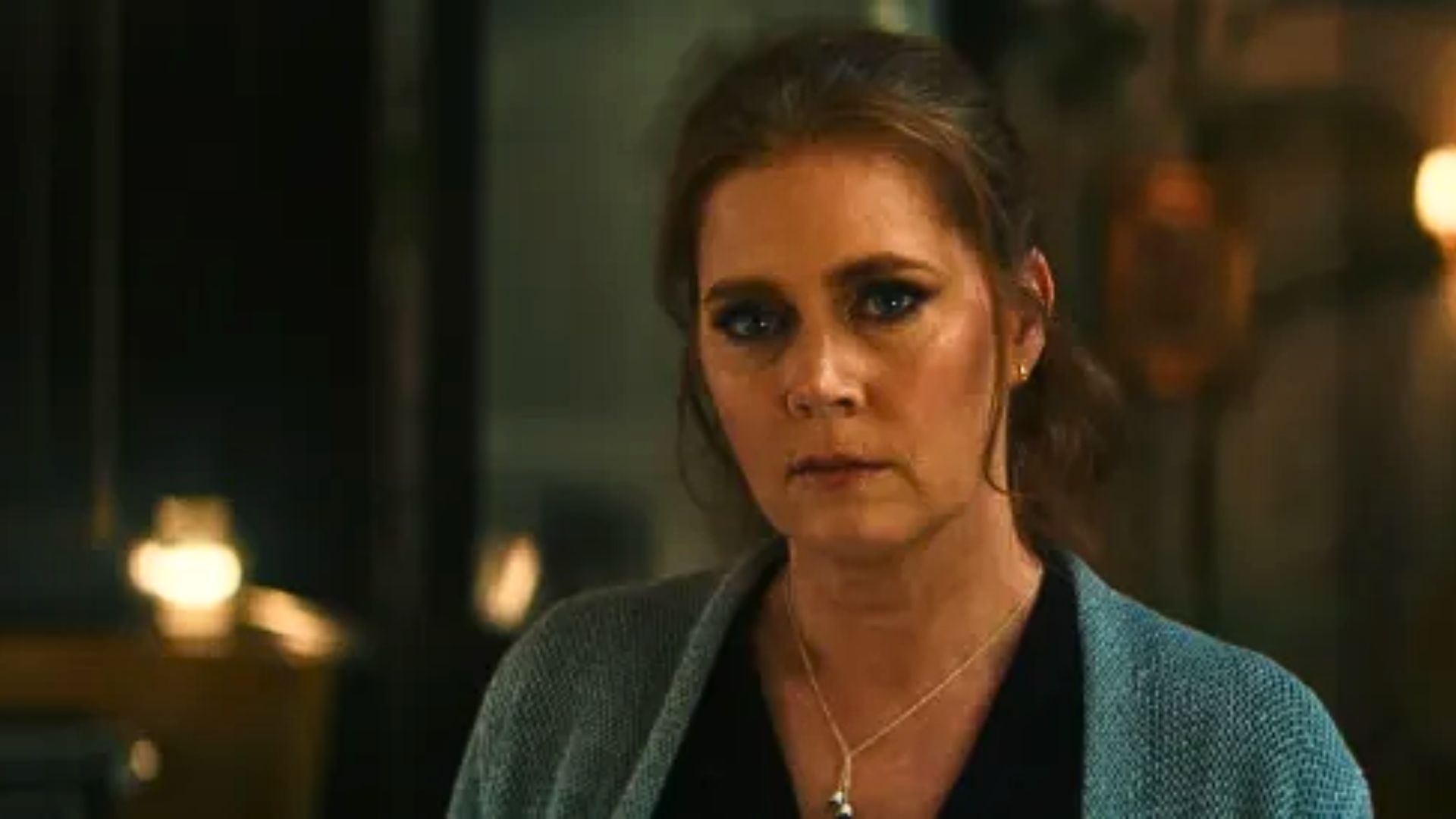
In both the 1962 and 1991 versions, Max targeted the male lawyer who sent him to prison, but in this new series, he targets a female lawyer. Gregory Peck played the male attorney (Sam Bowden) in the original version, and Nick Nolte in the remake.
The new Cape Fear revised its cast by replacing Gregory and Nick with Amy Adams. The director's decision adds depth to the couple's backstory: they met and fell in love during the same trial that ruined Max's life.
From that point, Max's obsession shifted from simple revenge against one man to a personal assault on the marriage, holding both wife and husband responsible.
2. Changing the crime from r*pe to murder
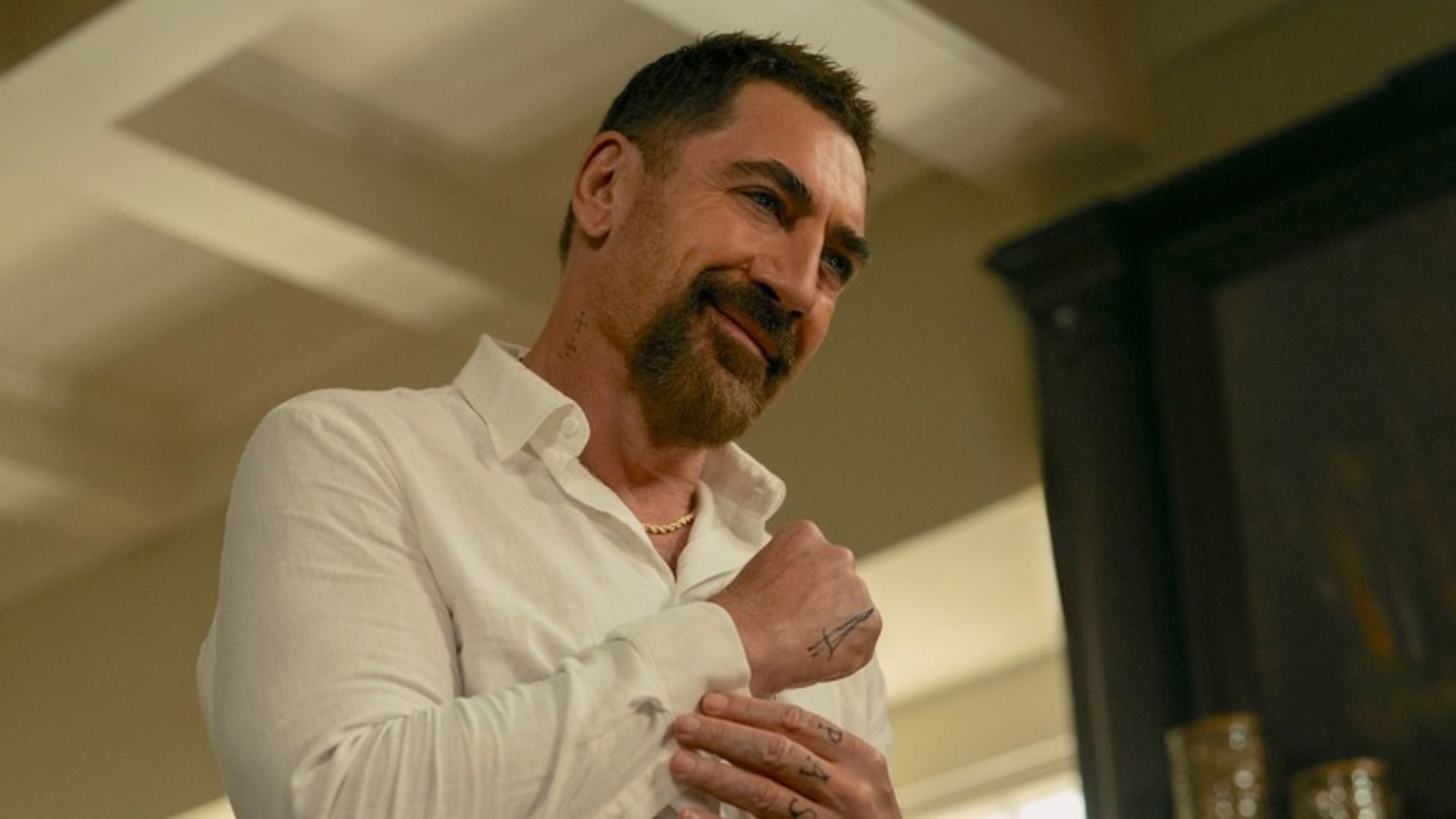
In the original version of Cape Fear, Thompson showed Cady's crime as r*pe, whereas in the remake version, Scorsese highlighted s*xual assault with more disturbing scenes. The directors of the Apple TV+ show changed the entire crime scenario to a full-fledged murder case.
The series reveals the murder of Cady's wife and the fact that for years he carried the weight of the judgment while being locked away as a violent criminal. At the start of the show, everything changes, and Cady is suddenly freed and exonerated through a wrongful imprisonment advocacy program that claims the justice system failed him.
3. Introducing modern true-crime elements
Unlike earlier films, the new Cape Fear uses modern technology, weaving in cell phones, catfishing, and online public shaming. Max targets the family's teenage daughter by creating a fake online persona to manipulate and catfish her. The show also features internet podcasters covering the terrifying ordeal.
In the previous movies, Cady exploited the legal system physically. Since those stories took place in 1962 and 1991, the use of modern technology was limited.
They also focused on the terror that was anchored to the family's landline phone, where he made breathing phone calls to make the Bowdens feel threatened. For obvious reasons, analogue phones were replaced by new-age smartphones in the Apple TV show.
4. Use of creepy AI
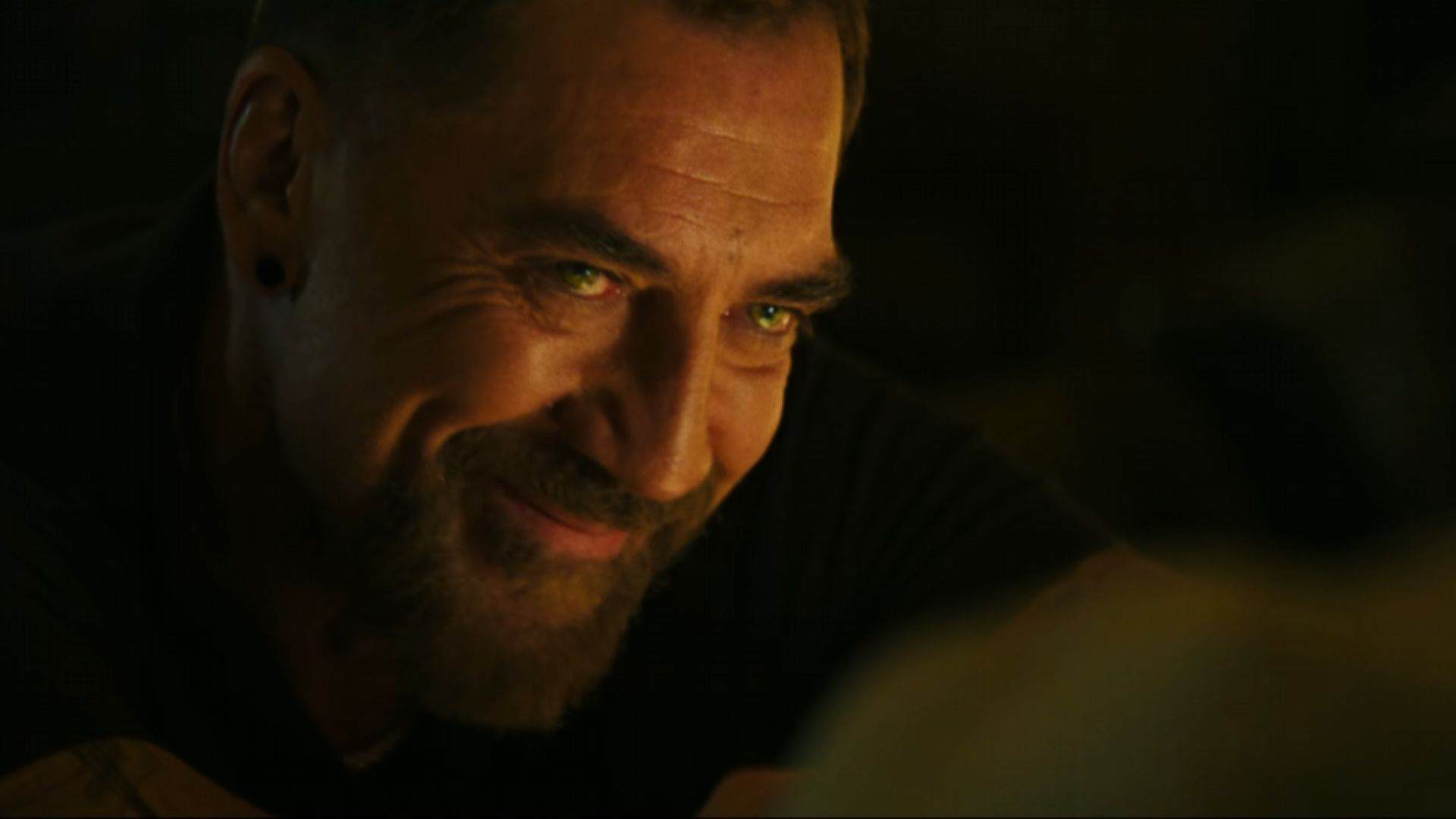
The scene about targeting the son of Tom and Anna in the new Cape Fear show is one of the most chilling examples of how Nick Antosca modernized the psychological warfare. The sequence marks a major shift from the physical stalking in the original films to a moment of digital horror in the new version.
In 1991, Robert De Niro broke onto a property and scared a kid. In 2026, Bardem bypasses parental locks, home security systems, and physical walls to drop a psychological bomb directly on the teenager's hand while the boy sits safely in his own bedroom.
5. Utilizing the luxury of time
The previous two films followed a traditional format and ran for two hours. In the new version, once Max arrives in town, the story accelerates with rising tension.
The new TV show expands the story across 10 hours. As a result, it gives the story a massive room to breathe. Cady does not rush into the attack. Instead, he moves slowly and carefully which helps build the perfect atmosphere of a modern psychological thriller.
 Trending
Follow Soap Central for more updates on Apple TV+'s Cape Fear.




 Reply
Reply


