


'%20x='0'%20y='0'%20height='100%25'%20width='100%25'%20%0A%20%20%20%20%20%20%20%20%20%20xlink%3Ahref='data:image/jpg;base64,/9j/2wBDAAYEBQYFBAYGBQYHBwYIChAKCgkJChQODwwQFxQYGBcUFhYaHSUfGhsjHBYWICwgIyYnKSopGR8tMC0oMCUoKSj/2wBDAQcHBwoIChMKChMoGhYaKCgoKCgoKCgoKCgoKCgoKCgoKCgoKCgoKCgoKCgoKCgoKCgoKCgoKCgoKCgoKCgoKCj/wAARCAAGAAoDASIAAhEBAxEB/8QAFgABAQEAAAAAAAAAAAAAAAAAAAII/8QAHhABAAICAQUAAAAAAAAAAAAAAQACBBEDBRIUMZH/xAAVAQEBAAAAAAAAAAAAAAAAAAACA//EABcRAAMBAAAAAAAAAAAAAAAAAAABETH/2gAMAwEAAhEDEQA/AM+9JzfHyL99C40Q37GQnHt23+ERI46Jn//Z'%3E%3C/image%3E%3C/svg%3E)

When we take a look at TV show culture, it is no longer something that just simply "exists". In the 21st century, a TV show might go ahead and take a look at how grief can be visualized through a screen, how fear could be framed, how music could be remembered, and so much more in so many different artistic ways.
A TV show today not only narrates what is happening on screen but also alters how art itself is understood by the people watching.
These seven TV show moments did exactly that, each one of them changing visual language in a way that mirrors modern art, pop culture, and storytelling.
7 most iconic TV show moments that reshaped art in the 21st century
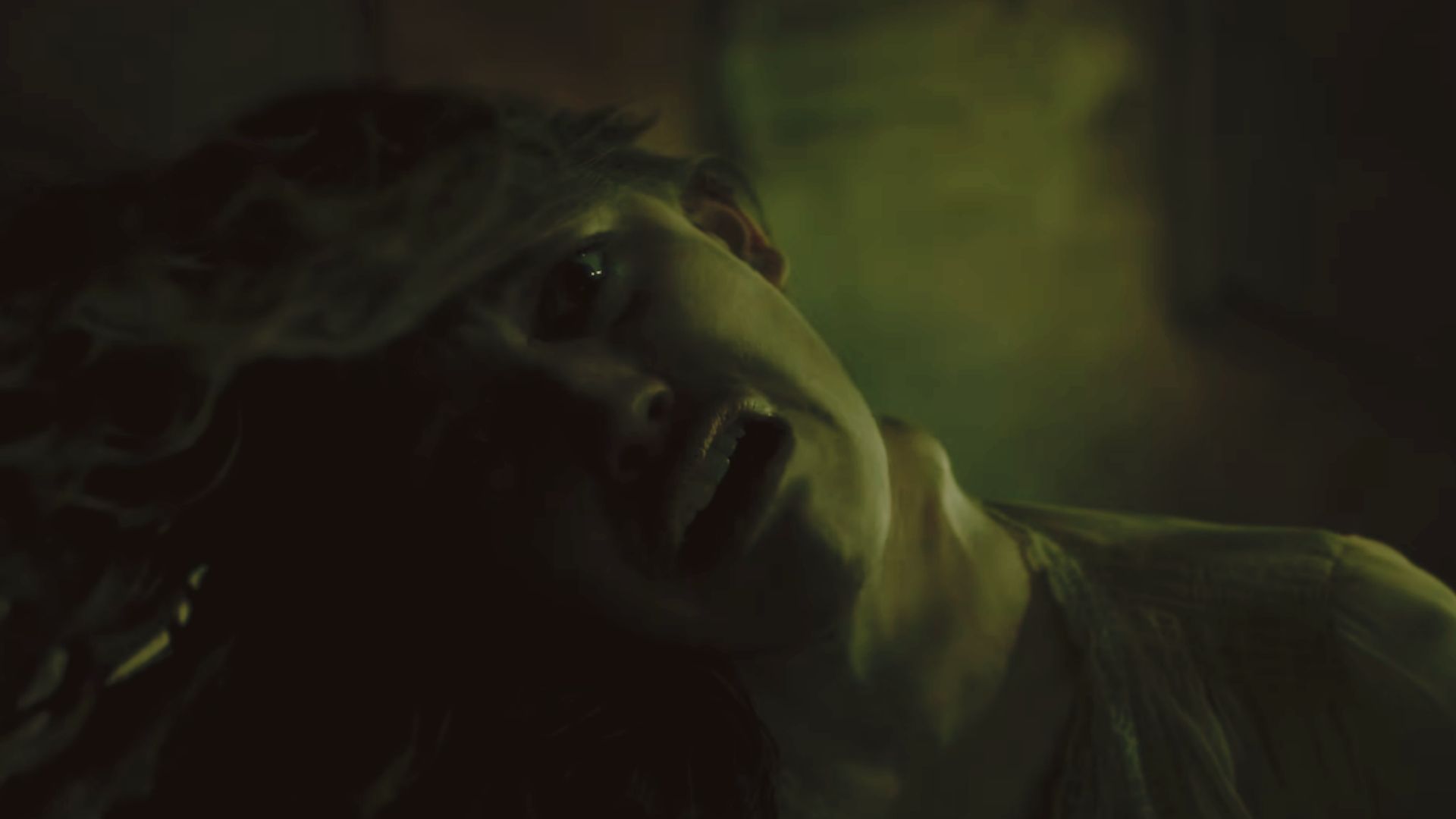
1) The Bent-Neck Lady reveals in The Haunting of Hill House:
For most of Nell Crain’s life, the Bent-Neck Lady appears without explanation. She shows up when Nell is a child, then again when she is older, especially during moments of fear and stress.
Mike Flanagan's TV show makes us believe she is a ghost haunting Nell. Until Episode 5, that is the only way the audience is taught to see her.
Episode five breaks the idea that the "Bent-Neck Lady" is a ghost or something supernatural completely. When Nell is pushed from the balcony, the truth is finally revealed. Every time she saw the Bent-Neck Lady, it was her. It was always Nell. She was falling through different moments of her own life. The show lets us experience this from Nell’s point of view, not from the outside.
What makes this scene artistic is how it uses time. Past, present, and future collapse into one moment. Trauma is not shown as something that follows Nell. It is something she keeps falling into again and again.
The long shots and repeated falls force the viewer to sit inside her grief. The scene turns fear into something unavoidable, making trauma visible instead of just scary.
2) Fleabag breaking the fourth wall:
When Fleabag breaks the fourth wall, she looks at the audience because it gives her this sense of control. She can joke, comment, and move on without dealing with real reactions. Talking to us is easier than talking to the people in her life. We do not question her or ask her to explain herself.
The cab scene is where that control breaks. Fleabag tells the story of Boo’s death like a joke, keeping the tone light. Then the truth comes out. Boo did not just die. She died because of something Fleabag did.
The TV show scene even turns heavy on Fleabag, and by the time she realizes? Yup, that's art right there. The silence is the point. It forces the truth to sit in the open, with nothing to soften it.
3) “The Name Game” in American Horror Story: Asylum used spectacle to expose cruelty:
Placed right after Sister Jude is given electroshock therapy in American Horror Story: Asylum, the musical scene feels uncomfortable on purpose. The happy singing and dancing exist to show how fake and cruel the asylum’s world really is.
By turning a space built on punishment into a cheerful musical number, the show exposes how violence is often hidden behind performance and forced normalcy. The happiness feels fake. The joy feels pushed. The TV show scene makes us feel extremely uncomfortable on purpose.
Artistically, this scene uses tone to make horror sharper. Instead of staying dark, the show uses brightness to show how disturbing the system really is. The contrast makes the abuse impossible to ignore, proving that horror can be just as powerful in light as it is in darkness.
4) Black Mirror's “Hotel Reverie” turns a memory wipe into its most devastating scene:
“Hotel Reverie” from Black Mirror does not focus on the technology. It is on what gets lost. Brandy and Clara fall in love in a frozen world where no one else exists, and nothing interrupts them. The way their bond grows feels slow, natural, and real, which makes the ending hurt more.
The TV show scene becomes artistic here when Brandy asks Clara if her love is real or just part of the program. Clara cannot answer. When the system resets, Clara forgets everything they shared, while Brandy remembers it all. The imbalance is the point.
What makes this scene feel like visual art is its simplicity. The pain comes from love being erased. The episode treats memory like it is something fragile, showing how losing shared moments can hurt more than any technical failure.
5) Connor’s rehearsal dinner in Succession:
The TV show Succession has always used art on its walls for a reason. When Andy Warhol’s Self-Portraits appear during Connor Roy’s rehearsal dinner, they are not background decor. They sit in the frame while the family argues, drinks, and talks about power like nothing matters.
Looking back, Warhol’s repeated images of his own face are about fame, control, and death. That fits Logan Roy perfectly. So when the characters later keep asking, “Is he okay?” after Logan collapses, the answer had already been there. The show showed it before it said it.
Here, the images do the work instead of anyone really talking. Succession trusts us to notice what is hanging on the wall and connect the dots.
6) Max running through Vecna’s mind to “Running Up That Hill” in Season 4 of Stranger Things:
Max’s escape from Vecna is artistic because the music is doing the work of the scene. “Running Up That Hill” is not just a song that's playing, but Kate Bush is the reason Max survives. The song keeps her connected to her memories and to her friends when Vecna is trying to pull her away.
Vecna’s world shows what it feels like to shut down emotionally. Max running is not about speed or action. It is about choosing to stay alive. The editing cuts her running exactly to the beat of the song, which makes us feel so on edge until and unless we know she's safe.
7) Wanda building a home out of grief in the Westview flashback in WandaVision:
When Wanda creates the Hex in WandaVision, she is building a life she lost. Her grief turns into a place. Houses appear, streets form, and Vision? His love comes back. The pain shows up as a world, not as anger. Wanda's grief coming out in the form of a town is perhaps the most artistic visualization a TV show has ever dared to do.
The black-and-white sitcom style shows Wanda running from reality. She chooses something familiar and controlled because real life hurts too much. Vision’s line, “What is grief, if not love persevering?” explains the scene in plain terms.
These TV show scenes reshaped art because they visually highlighted grief, fear, and love as unresolved and unsettling. The scenes did not overtly explain what to feel or when to feel it. These 7 TV show scenes simply trusted us to sit with discomfort and understand it in our own way.
This approach changes how stories are made today. TV shows have stopped trying to please everyone and started creating work artistically as equal to any major art form in the 21st century, and these 7 shows are where you could start exploring visual art on screen to please your eyes!
 Trending
Stay tuned to SoapCentral for more updates.


 Reply
Reply


