


'%20x='0'%20y='0'%20height='100%25'%20width='100%25'%20%0A%20%20%20%20%20%20%20%20%20%20xlink%3Ahref='data:image/jpg;base64,/9j/2wBDAAYEBQYFBAYGBQYHBwYIChAKCgkJChQODwwQFxQYGBcUFhYaHSUfGhsjHBYWICwgIyYnKSopGR8tMC0oMCUoKSj/2wBDAQcHBwoIChMKChMoGhYaKCgoKCgoKCgoKCgoKCgoKCgoKCgoKCgoKCgoKCgoKCgoKCgoKCgoKCgoKCgoKCgoKCj/wAARCAAHAAoDASIAAhEBAxEB/8QAFQABAQAAAAAAAAAAAAAAAAAAAAT/xAAgEAACAQQBBQAAAAAAAAAAAAABAgMABAYRIQUxMkGB/8QAFAEBAAAAAAAAAAAAAAAAAAAAAP/EABQRAQAAAAAAAAAAAAAAAAAAAAD/2gAMAwEAAhEDEQA/AJ+jYTlE0UzXdjdlyzELHfwov06J335GqqbE88ViI5EVAdKDeDgeh40pQf/Z'%3E%3C/image%3E%3C/svg%3E)

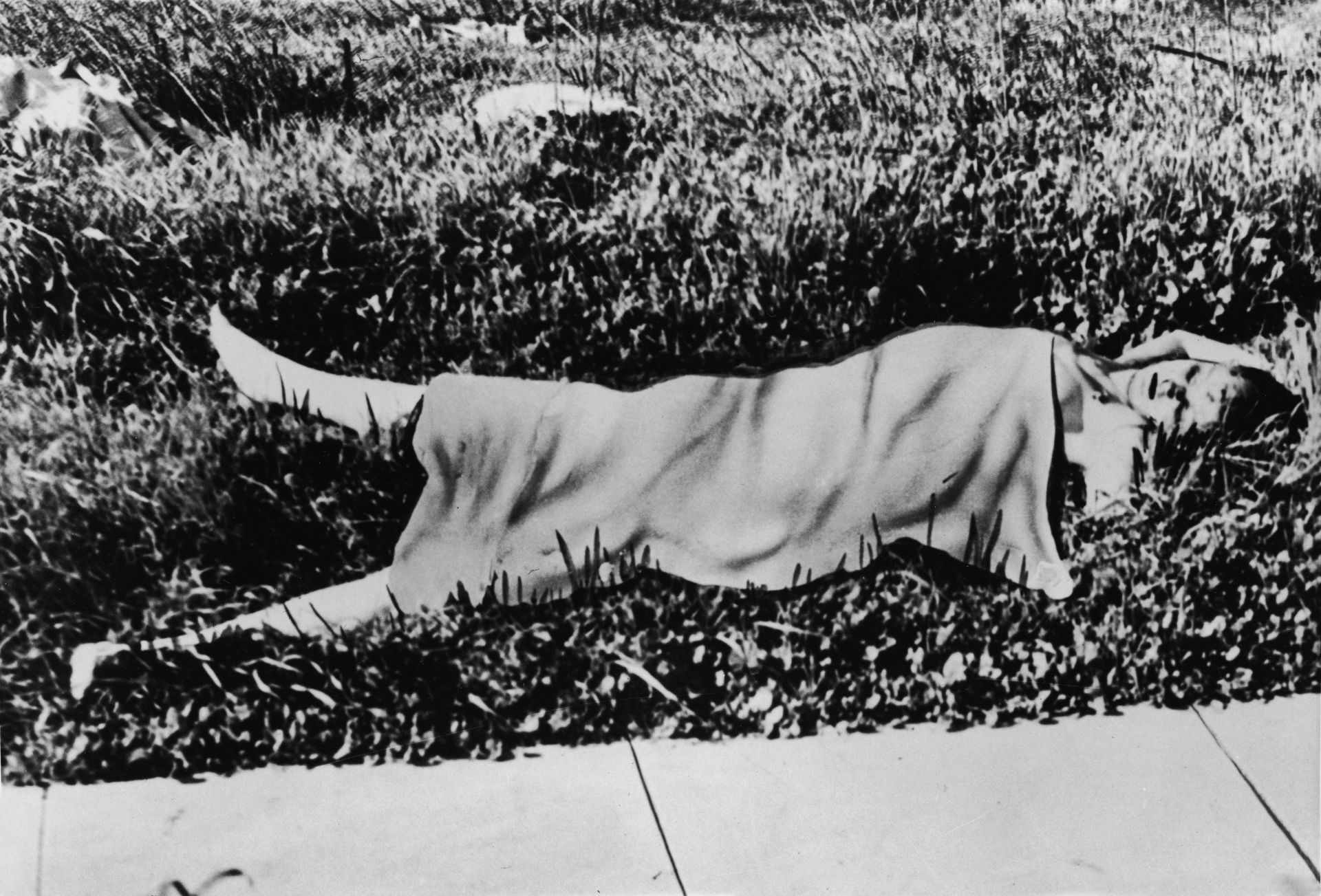
Deconstructing Dahlia is an upcoming true-crime docuseries about the shocking murder of a 22-year-old American woman named Elizabeth Short. On January 15, 1947, the victim was found dead in the Leimert Park neighborhood of Los Angeles. A mother and her child, who first spotted the dead body, saw that Elizabeth's body was completely severed in half at the waist, and deep cuts ran across her face from the corners of her mouth to her ears.
According to historical records, the name Black Dahlia was given to her by newspapers because she had dark hair, often wore black clothes, and it was a play on the popular 1946 movie The Blue Dahlia.
Deadline mentioned that the creators of Deconstructing Dahlia had uncovered several important leads, like primary suspects and crime locations. The forensic analyst Alex Baber claimed that he discovered evidence that connects Elizabeth's ex-boyfriend Marvin Margolis to the brutal crime and to the Zodiac killer. The production team is currently pushing the Los Angeles Police Department to release crucial evidence that had been kept hidden for almost 80 years.
Continue reading more about how the true-crime docuseries will crack open the case.
Deconstructing Dahlia: New leads might solve the murder mystery of Elizabeth Short after 79 years

The filmmakers, retired law enforcement experts, and investigators were working on the case for 5 years. Deconstructing Dahlia team has former LA County District Attorney Steve Cooley, investigator and retired U.S. Marshal Commander Lenny DePaul, former White House Chief Information Officer Theresa Payton, and retired LAPD detective Mike Rothmiller.
DePaul said,
"We came into this without a preconceived suspect and started from the ground up, reviewing case files across multiple sources and, for the first time, comparing them side by side."
Cooley added,
"There is finally enough evidence in the Black Dahlia case to qualify for a grand jury indictment against a suspect."
The District Attorney further revealed that their previous attempts did not even reach the level of circumstantial evidence because much of their work was only speculation or even pure invention.
Prime suspects in Deconstructing Dahlia might help the team to solve the murder case

Apart from what the mother and the child witnessed, Elizabeth was identified through her fingerprints, which were already recorded from a job application at an army base and from a teenage arrest for underage drinking. The police released her mug shot to the press, and soon after, reporters quickly seized on the shocking story of her brutal murder.
One of the main suspects of the Los Angeles Police Department was a doctor named George Hodel, who reportedly held hedonistic parties. In 1949, he was arrested for the alleged rape of his 14-year-old daughter, but the court acquitted him.
In 2003, retired LA detective Steve Hodel published Black Dahlia Avenger: A Genius for Murder, where he tried to prove that his late father had been the murderer of Elizabeth. Steve explained that he found photographs of a young woman whom he believed looked like the Black Dahlia.
A nightclub owner named Mark Hansen was also an important suspect in the case. Reports revealed that the owner knew Elizabeth and Leslie Dillon, a former mortician's assistant who possessed details about the crime that had never been made public. Investigators also searched for Marvin Margolis, who was reported to be in a relationship with Elizabeth.
 Trending
Follow Soap Central for more updates on Deconstructing Dahlia.




 Reply
Reply


