


'%20x='0'%20y='0'%20height='100%25'%20width='100%25'%20%0A%20%20%20%20%20%20%20%20%20%20xlink%3Ahref='data:image/jpg;base64,/9j/2wBDAAYEBQYFBAYGBQYHBwYIChAKCgkJChQODwwQFxQYGBcUFhYaHSUfGhsjHBYWICwgIyYnKSopGR8tMC0oMCUoKSj/2wBDAQcHBwoIChMKChMoGhYaKCgoKCgoKCgoKCgoKCgoKCgoKCgoKCgoKCgoKCgoKCgoKCgoKCgoKCgoKCgoKCgoKCj/wAARCAAGAAoDASIAAhEBAxEB/8QAFQABAQAAAAAAAAAAAAAAAAAAAAb/xAAfEAACAgMAAgMAAAAAAAAAAAABAwIEAAURBiESExT/xAAVAQEBAAAAAAAAAAAAAAAAAAAAAf/EABQRAQAAAAAAAAAAAAAAAAAAAAD/2gAMAwEAAhEDEQA/AJzx7e2t+vVOL7TNlsG2VujYeTX4qJnARh7AAHAODIe7o/0XHuDDD7GSn8RI+unvMYyD/9k='%3E%3C/image%3E%3C/svg%3E)

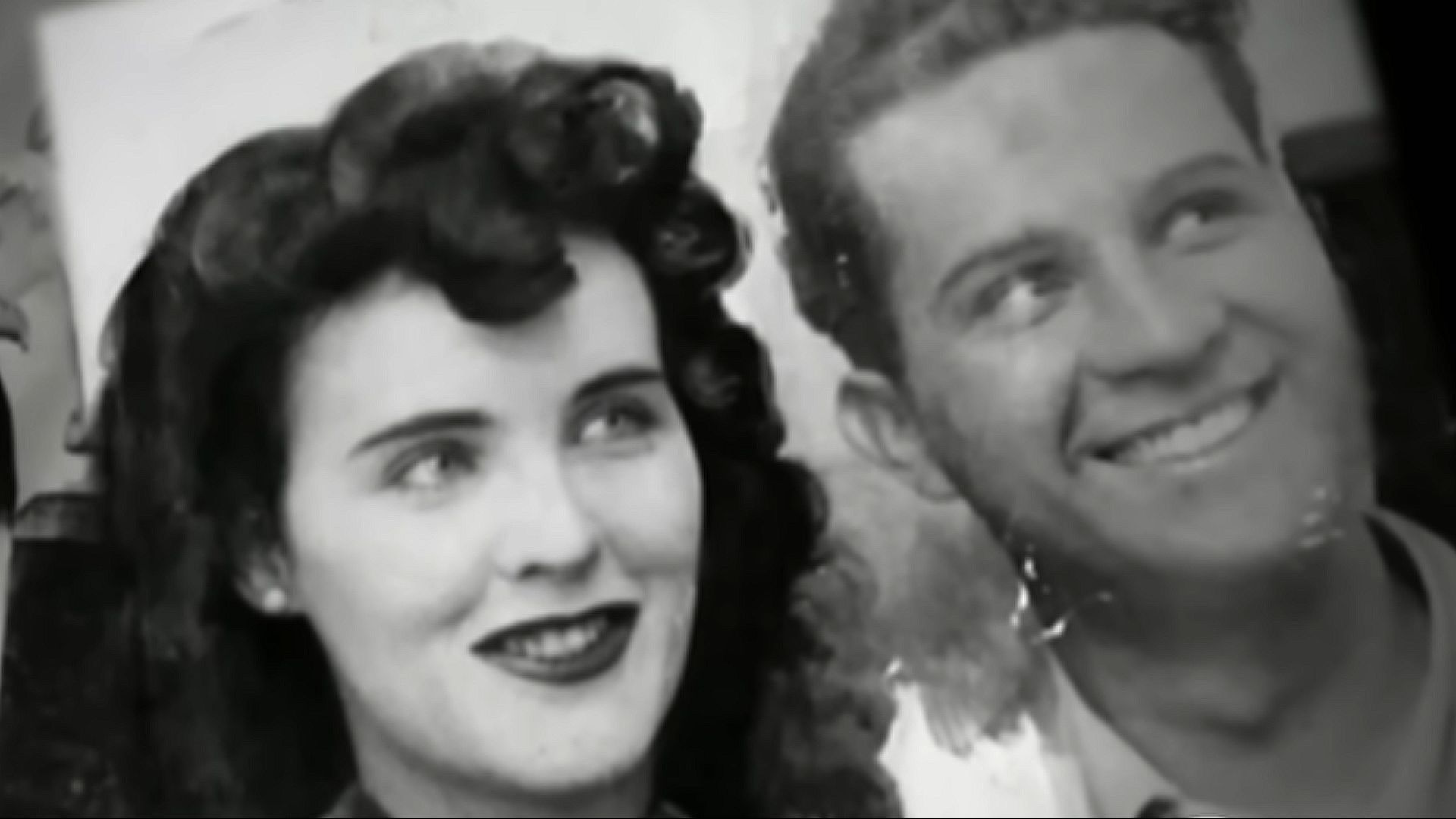
Deconstructing Dahlia is an upcoming true-crime docuseries that looks back at one of the most haunting unsolved murders in American history: the 1947 killing of Elizabeth Short. After this incident her name became forever linked to the "Black Dahlia" mystery.
The docuseries follows a team that says it has spent about five years digging into the case. Their work reportedly goes beyond the familiar theories, and investigators have claimed that they have identified a leading suspect and a location they believe may have been where Short was actually killed.
This isn't all. The team that will be featured in Deconstructing Dahlia also claims that they uncovered possible blood evidence, new testimony, and records that were previously difficult to access. If they turn out to be true, they could actually add more information to this unsolved case.
However, these findings are still claims made by the documentary’s investigative team. They have not been independently verified or publicly confirmed by law enforcement, and the suspected killer has not been named by the team.
Want to know how Elizabeth Short was killed? Explore the complete timeline below.
Elizabeth Short’s final days before the 1947 murder: What Deconstructing Dahlia reveals
Before Deconstructing Dahlia turns to the newer investigation, the story begins with Elizabeth Short’s unsettled final months. She had moved between places in California and spent time around Hollywood before traveling to San Diego in December 1946.
There, Short stayed with Dorothy French and her mother for several weeks. By January, the house became really crowded and the two women asked her to leave. Then around January 8, traveling salesman Robert “Red” Manley picked her up.
According to his account, they were together in a motel that night, but he also said that the two did not have any sexual encounter. Around this time Short also wrote about plans connected with Chicago and modeling.
On January 9, Manley drove Short to Los Angeles. She left her luggage at a bus station before going to the Biltmore Hotel, where she said she was expecting her sister Virginia. Deconstructing Dahlia is also expected to explain how the hotel staff reportedly noticed her making several phone calls and appearing uneasy at times.
Manley eventually departed, and this Biltmore encounter is generally treated as the last confirmed sighting of Short alive. What happened after that remains uncertain. Her movements during the January 9-14/15 gap, often called the "missing week," have never been firmly established.
What happened to Elizabeth Short before her body was found
The days after January 9 were the hardest part of Elizabeth Short's case. No one knew where she went and how she ended up being killed, and then some people later claimed they had seen her around Los Angeles.
However, the investigators could not confirm many of these accounts. When the autopsy came, it revealed that Elizabeth Short died between January 14 and possibly during the early hours of January 15. It was also revealed that she experienced trauma to her head and face, and it caused internal bleeding.
Reports suggest that Short's body was cleaned before her body was placed at the location where it was found. This suggested that the attack happened somewhere else.
It was on January 15 when Betty Bersinger discovered the body while walking with her young daughter near a vacant lot on Norton Avenue in Los Angeles. Dew beneath the body indicated it had been placed there after the dew had formed, with investigators estimating that this happened sometime after about 2 a.m.
The investigation, the Black Dahlia mystery and Deconstructing Dahlia’s new claims
An autopsy was conducted on January 16, 1947, and Short’s fingerprints were quickly matched to those in the system, so authorities were able to identify her. The name "Black Dahlia" became associated with her, helped in part by the film The Blue Dahlia, when newspapers picked up the story.
The investigation continued, leading to hundreds of interviews, false confessions, and a long list of suspects. A package containing Short’s personal belongings was also sent to the Los Angeles Examiner, and her purse and one shoe were found in another trash area.
Grand-jury proceedings followed in 1949 and 1950, but no definitive killer was identified. That unresolved history is where Deconstructing Dahlia brings its modern investigation into focus.
The team said it has identified a prime suspect and found a secret motel room that may have been the real scene of the murder. It alleges to have found blood evidence, new testimony from families linked to the case, and records that were previously inaccessible.
Deconstructing Dahlia has demanded that the LAPD release the full, unredacted autopsy report, along with other withheld material. Still, Deconstructing Dahlia’s findings have not been publicly verified or officially confirmed, and the series has no confirmed release date.
 Trending
Also Read: 48 Hours - Jayme Closs: Hometown Hero - Complete timeline of the teenager’s abduction and escape




 Reply
Reply


