


'%20x='0'%20y='0'%20height='100%25'%20width='100%25'%20%0A%20%20%20%20%20%20%20%20%20%20xlink%3Ahref='data:image/jpg;base64,/9j/2wBDAAYEBQYFBAYGBQYHBwYIChAKCgkJChQODwwQFxQYGBcUFhYaHSUfGhsjHBYWICwgIyYnKSopGR8tMC0oMCUoKSj/2wBDAQcHBwoIChMKChMoGhYaKCgoKCgoKCgoKCgoKCgoKCgoKCgoKCgoKCgoKCgoKCgoKCgoKCgoKCgoKCgoKCgoKCj/wAARCAAGAAoDASIAAhEBAxEB/8QAFgABAQEAAAAAAAAAAAAAAAAAAAUH/8QAHhABAAICAQUAAAAAAAAAAAAAAQIRAAMFEyIjQeH/xAAUAQEAAAAAAAAAAAAAAAAAAAAE/8QAGBEBAAMBAAAAAAAAAAAAAAAAAQACAxH/2gAMAwEAAhEDEQA/AMg4DnY7ulqnCSwg6I9sQBEbotS2pNtNejJEt8JSZGmVLZ5fmMYQoKxRpYOT/9k='%3E%3C/image%3E%3C/svg%3E)

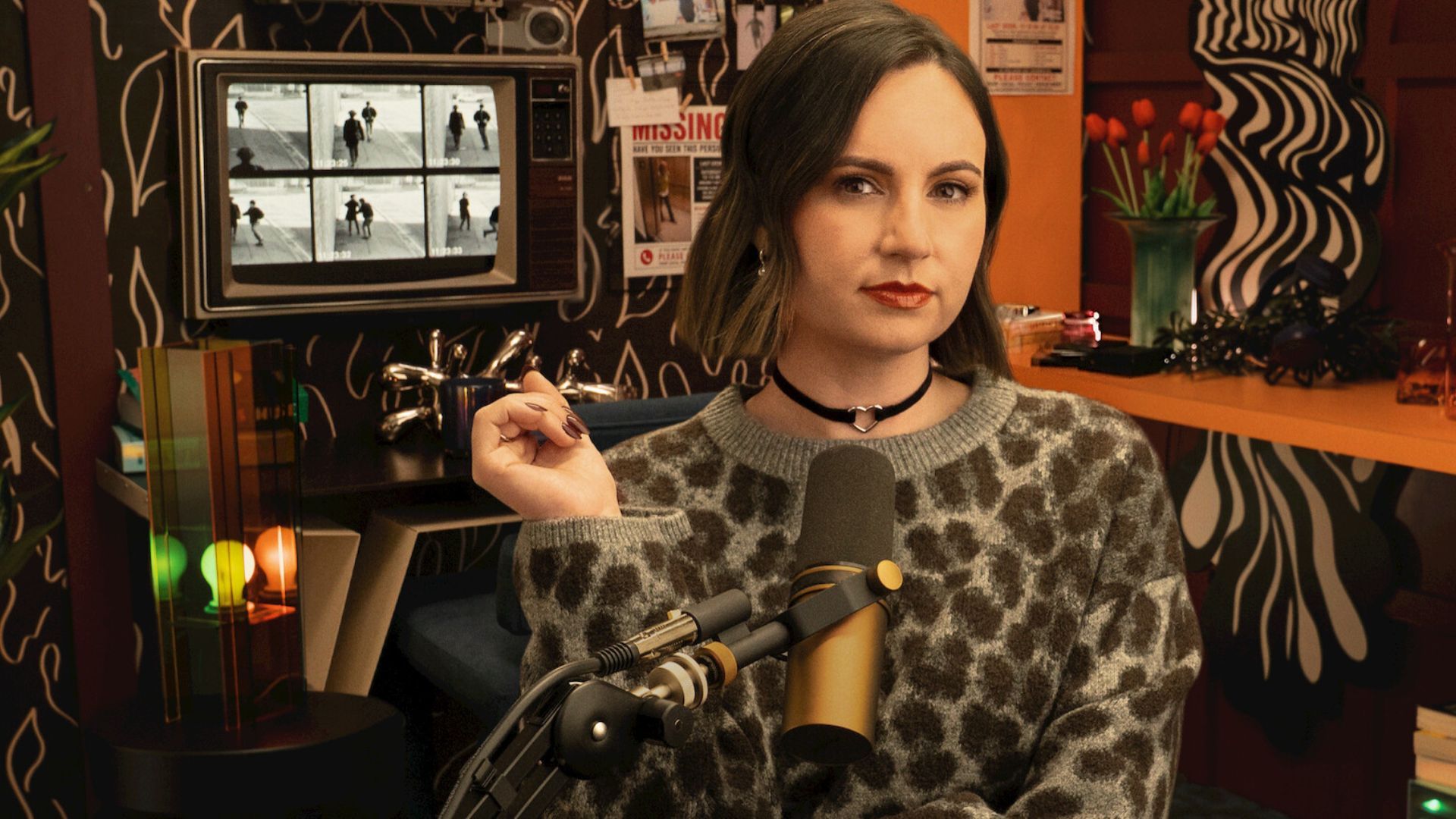
If you're interested in exploring true crime cases, then make sure to catch up with Last Trace with Kaelyn Moore, a new weekly true-crime video podcast, which also marks her first project with Netflix. It premieres today, September 28, 2026, and focuses on missing-person and other cases.
What's different about this video podcast is that Moore focuses on the evidence available near the end of the investigation. Instead of exploring the story from the start to the end, the show concentrates on the last known information.
Kaelyn Moore even talked about how the team built each case during her interview with What's on Netflix, as Last Trace prepares the final part of a missing person’s story using things such as photographs, security-camera footage, text messages, and voicemails.
Moore said:
"I think because we’re working with Netflix and we’re not on YouTube, part of it is also looking at the licensing element of things."
The host of the podcast continues:
"Are there pieces of this story that we can actually license so that we can put them up on the screen for everyone to watch? That’s a huge part of it."
Moore explains that putting these pieces together isn't only about finding information. The production team also has to figure out which material they are legally allowed to show.
Want to explore more of the host's insights? Read below!
How Kaelyn Moore pieces together the final hours of missing people in Last Trace

As Kaelyn Moore said, the team doesn't just have to put all things together and make a video podcast for a case. They have to take care of everything and see what they're legally allowed to show about it.
Because the series is being made for Netflix, the team has to deal with licensing. Even if a photograph, video, or other piece of evidence is important to a case, they cannot automatically put it on screen. They have to determine whether they can legally obtain the rights to use it.
Moore also says the team thinks carefully about what part of each case in Last Trace will connect with viewers. They pay attention to what the missing person's family is saying and, importantly, what answers the family is still looking for. She said:
"We lean a lot... What are they looking for answers on that we can, just by amplifying this story, help out with?"
The show also wants its episodes to remain engaging from beginning to end. Moore says they think about where the important reveals should happen and how to keep the story moving rather than allowing the many pieces of evidence to make the episode feel confusing or slow.
There is also a practical purpose behind some episodes. At the end of a case, if viewers might have useful information, the show tells them which police department they can contact. Kaelyn Moore said:
"At the end, we say, if you have any information on this, you can reach out to this police department."
So Last Trace isn't only presenting an unresolved mystery for entertainment. It can also use its audience and platform to direct potentially useful information toward investigators.
 Trending




 Reply
Reply


