


'%20x='0'%20y='0'%20height='100%25'%20width='100%25'%20%0A%20%20%20%20%20%20%20%20%20%20xlink%3Ahref='data:image/jpg;base64,/9j/2wBDAAYEBQYFBAYGBQYHBwYIChAKCgkJChQODwwQFxQYGBcUFhYaHSUfGhsjHBYWICwgIyYnKSopGR8tMC0oMCUoKSj/2wBDAQcHBwoIChMKChMoGhYaKCgoKCgoKCgoKCgoKCgoKCgoKCgoKCgoKCgoKCgoKCgoKCgoKCgoKCgoKCgoKCgoKCj/wAARCAAGAAoDASIAAhEBAxEB/8QAFQABAQAAAAAAAAAAAAAAAAAAAAb/xAAhEAACAgICAQUAAAAAAAAAAAABAwIEAAUGEQchIkFRcv/EABQBAQAAAAAAAAAAAAAAAAAAAAP/xAAXEQEBAQEAAAAAAAAAAAAAAAABAAIR/9oADAMBAAIRAxEAPwCqd482W4vNVpto5NarbhCNi7dc6xCUZETKz17QR6dA/WQr+UaxL2LNjl5MJGJ63Uvg/nGMICV08L//2Q=='%3E%3C/image%3E%3C/svg%3E)

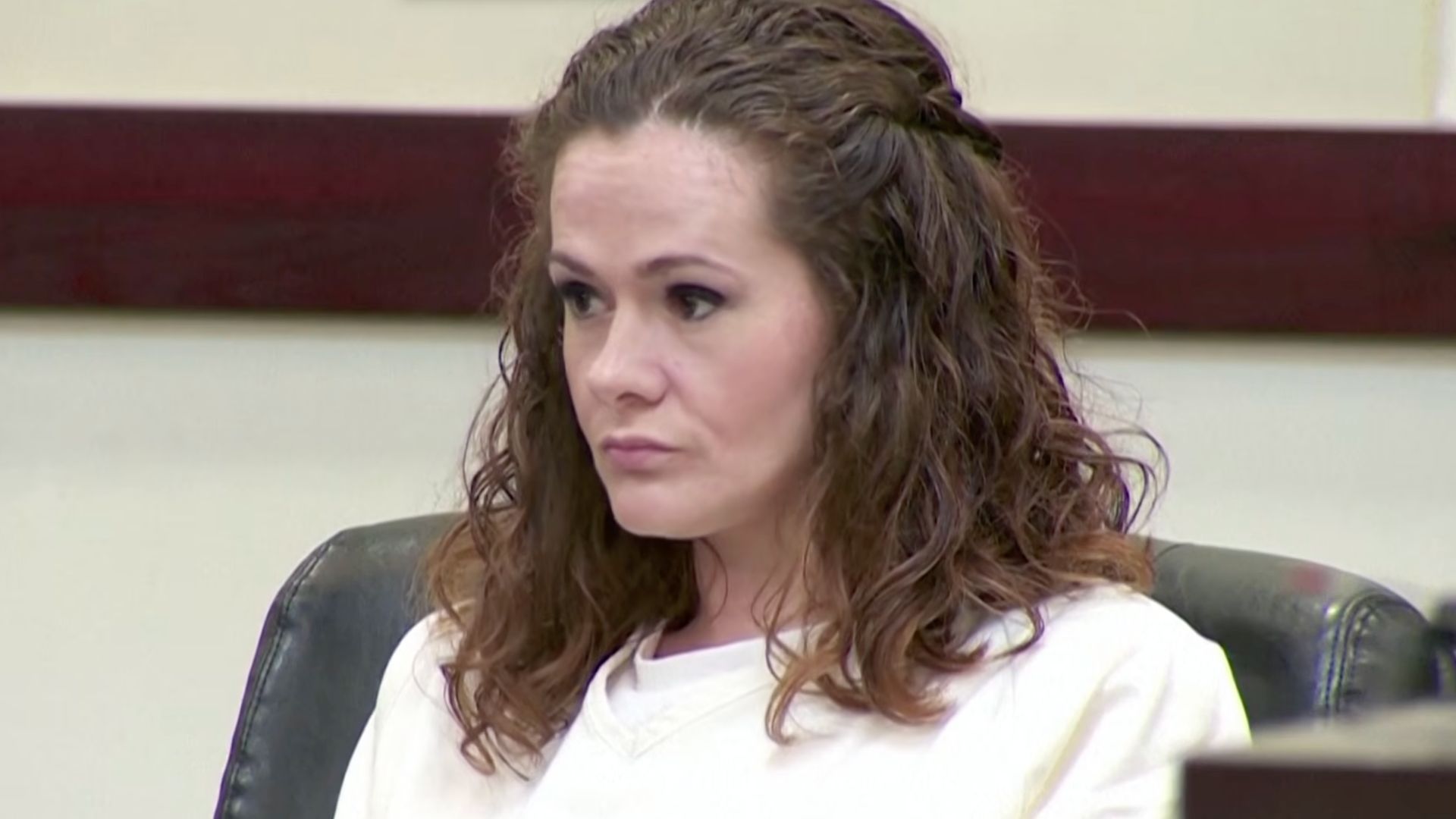
A medical expert has explained why Christa Pike's execution attempt on September 30 was expected to be difficult. Dr. Joel Zivot, a professor at Emory University, pointed to three main factors that made it possible to predict that Christa Pike's execution could go wrong. He had reviewed her case as a medical expert for her defense team.
In an interview with Criminally Obsessed, Dr. Joel Zivot explained that three factors raised concerns about Christa Pike’s execution. First, she had a history of difficult IV access, while lethal injections require two working IV lines. Second, she had thrombocytosis, a condition that can increase the risk of blood clots. Although her case was mild, Zivot was concerned that these issues, along with the way the lethal injection was carried out, could make it difficult to place the IV lines or keep them working properly. The third concern was that the state was already having trouble with the process.
He added:
"And those three things together made it seem very likely to me that this execution would fail, and I wrote that in my report, and I testified to that in open court."
A medical expert explains why Christa Pike's execution was expected to fail
Christa Pike was convicted for her role in the killing of Colleen Slemmer. The incident took place in 1995 when Colleen was nineteen years of age. Her then-boyfriend, Tadaryl Shipp, also took part in the crime.
Christa Pike survived a failed execution attempt on September 30. She is a fifty-year-old death row inmate in Tennessee. After her failed execution, her lawyers, as reported by the BBC, said that she is awake and able to talk. She was also taken to the hospital.
At that time, Dr. Joel Zivot said in a statement reported by the BBC that Christa Pike remembers being in the hospital but does not remember the execution attempt. Zivot also said Pike remembers her name but got the date wrong.
Explaining the three reasons why he predicted the execution could fail, Dr. Zivot said Pike had a history of difficult vein access, which could make it hard to set up the two IV lines needed for the procedure. He also pointed to her mild case of thrombocytosis, a condition that can increase the risk of blood clots. The third factor was the state's earlier trouble carrying out Tony Carruthers' execution, as officials were unable to find a vein to give him the injection.
Pike had also expressed similar fears before the execution. As shared by Criminally Obsessed, she said doctors could only draw her blood from her hand using a very fine needle and worried about how they would give her the injection. She also feared that what happened during Tony Carruthers' execution could happen to her.
Dr. Zivot revealed that medical staff made at least seven separate attempts to find a suitable vein, with Pike also guiding them on where to try. However, they were unsuccessful. He also raised the possibility that the IV lines might have worked "temporarily" before they stopped working properly.
Christa Pike remained alive after officials injected her with pentobarbital twice during the September 30 execution attempt. However, she was left in serious condition afterward.
 Trending
Also Read: VisionQuest’s Paladin is no ordinary bounty hunter — here’s what makes him significant




 Reply
Reply


